So powerful is the light of unity that it can illuminate the whole earth
What's in the program.
- — Introduction —
- 01Acknowledgement of Country3
- 02Director's Message4
- 04Festival at a Glance6
- — Daily Program —
- 05Day 1 · Wednesday 30th September8
- 06Day 2 · Thursday 1st October10
- 07Day 3 · Friday 2nd October12
- 08Day 4 · Saturday 3rd October14
- 09Day 5 · Sunday 4th October16
- — Voices & Sessions —
- 10Speaker Bios18
- 11Event Features & Spaces22
- 12Event Principles23
- 13Continuing the Momentum24
- 14Special Features25
- — Practical Things —
- 15Festival Map27
- 16FAQS28
- 17Sponsors29
NEWKIND
2026.
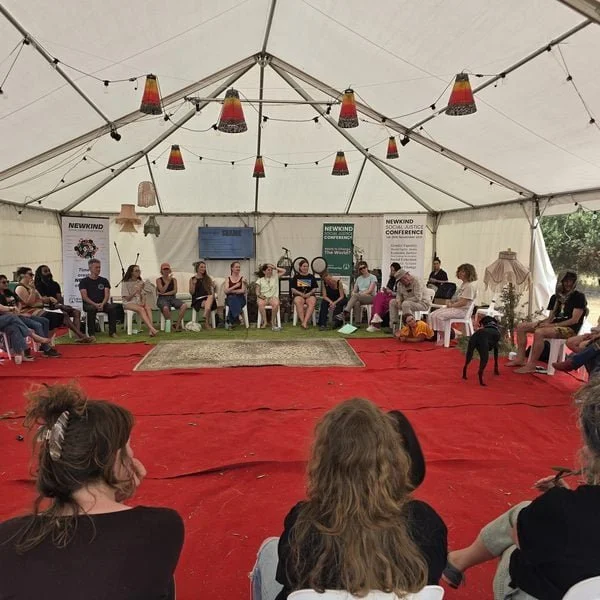
Five days of music, art, talks, workshops, camping, and community at Kinglake Forest Adventure Camp, Victoria. You came here for the world you want to live in. So did everyone else in this book.
Always was.
Newkind Conference is held on the lands of the Taungurung and Wurundjeri Woi-wurrung People. We pay our respects to Elders past, present, and emerging, and to all Aboriginal and Torres Strait Islander Peoples across this great land.
We acknowledge that sovereignty was never ceded, and that the work of repair and redesign begins by listening to the First Peoples of this Country, so that we can imagine a different future to the present we have inherited.
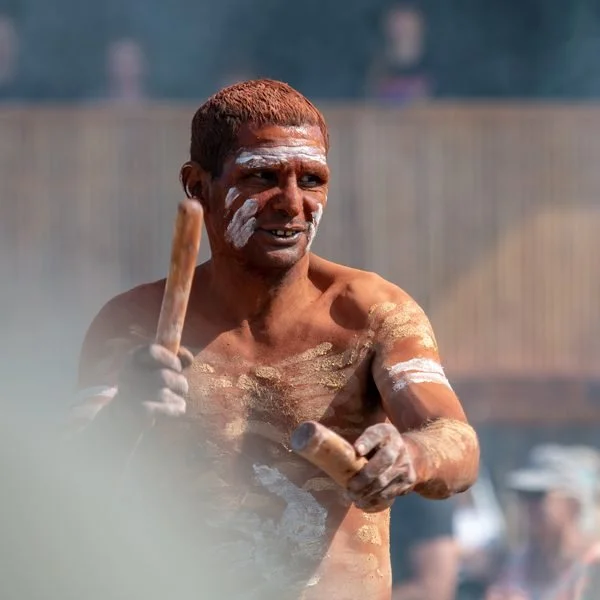
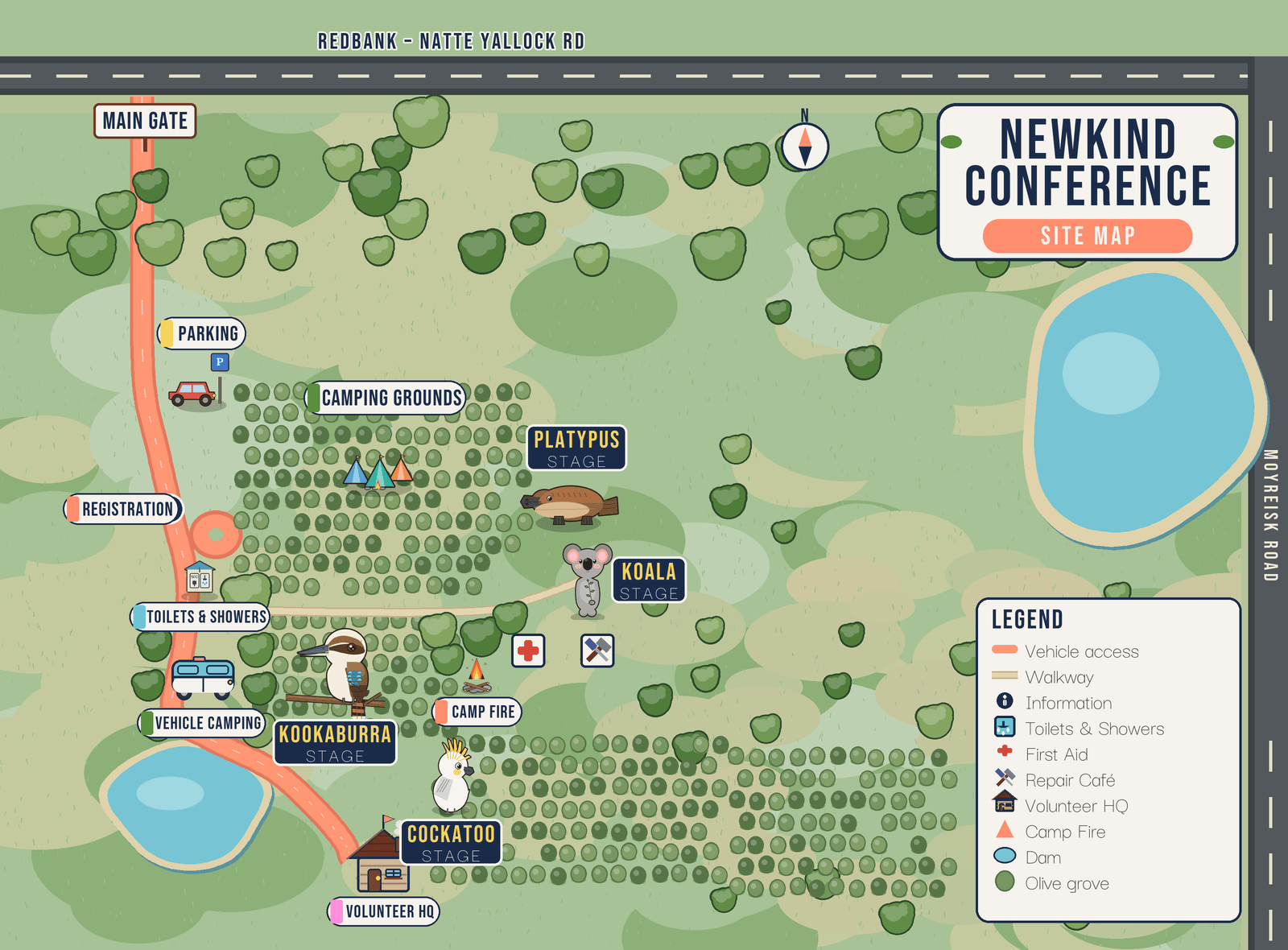
The Official Welcome to Country and Smoking Ceremony for Newkind 2026 will be held on Wednesday 30th September at 2:00pm at the Kookaburra Stage. All attendees are warmly requested to be on site by then to participate in this crucial aspect of preparation for the discussions and deliberations of the conference.
Welcome home.
Newkind is the kind of event you attend for an experience of the world you know to be possible but haven't yet seen; a place where you get to be a part of its co-creation. A gathering of people and perspectives where we get to question, challenge, reconsider and reinvent our collective reality. Combining carefully curated professional development with an all-inclusive nature-based family-festival format, Newkind is the kind of event where you get to bring your whole self.
Each year we meet on Taungurung and Wurundjeri Woi-wurrung Country to Rest. Repair. Redesign ourselves and our world. When we say Rest we don't mean to retreat or surrender to what is, rather rest is the ground from which honest and meaningful work can grow. And Repair is not to be considered as a consolation, but an advancement; Repair is the brave, patient labour of strengthening what has been tested, and sometimes torn, and made more beautiful in its new form. And Redesign is not a resignation to slightly adjusting the things that never served the collective good, but a more foundational attempt at co-creating the kind of world we actually want to build.
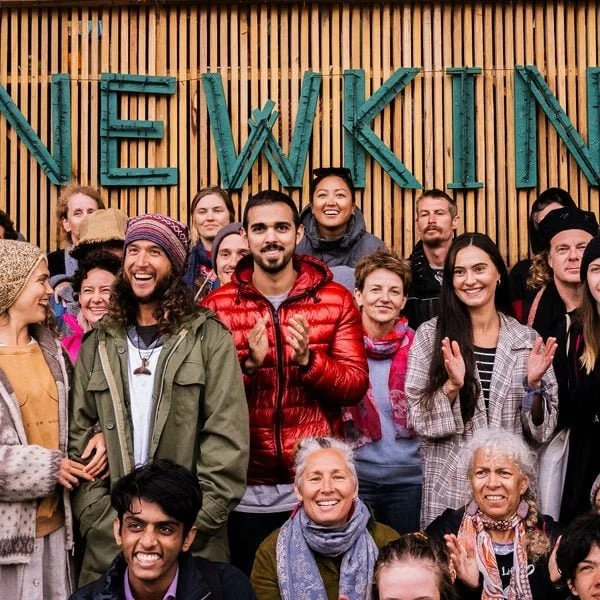
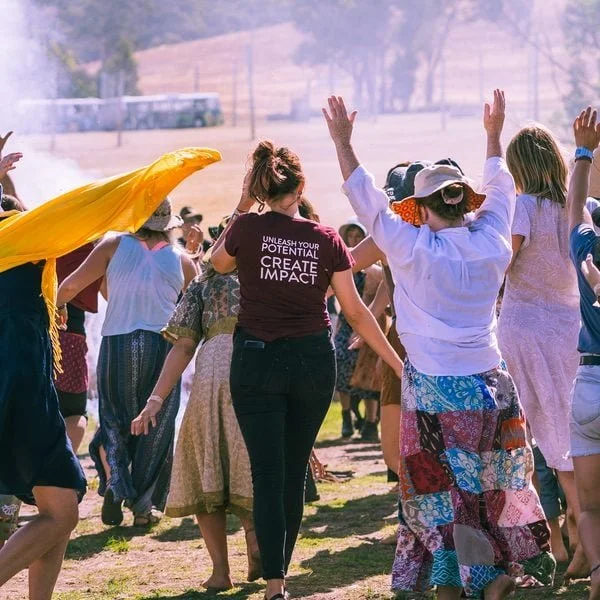
Over the five days at Newkind, you will sit with yourself, and with Elders, community organisers, artists, and academics, parents, lawyers, farmers, dancers, doctors, students, and strangers who, by the end, will no longer be strangers, but collaborators and co-conspirators on your mission to make a positive impact in the world. You will hear hard truths expressed with gentleness, you'll laugh more than you expected, and you will almost certainly cry at some point. You will leave with a few more skills, a dozen new friends, a thousand new ideas, and a fist full of grit.
And by the end of the event you will know that a kinder world is not a slogan, but the cumulative effect of a lot of small, brave decisions made by people like you.
I am so glad you are here.
Five days, one community.
Arrival, Orientation, Camp Site Setup, Welcome to Country, Opening Ceremony and Smoking, Opening Keynote and Entertainment
Connecting with Country, Rest-as-Resistance, Fireside Discussions, Gender Equity, World Peace, Networks, Healthcare and Child Protection
Discussion Panel on Racial Justice, Sovereignty, Reclaimed Voices, Indigenous Futures and Shattering the Illusion of Separability
Economic Justice, From Extractivism to Post-Growth Business, Reimagining Disasters, Waste-Free Living, and Constructive Conversations on Education
After Empire, Planning for Post Poly-Crisis, Project Commitments, Networking, Transformational Writing, Final Thoughts, and Supporting the Movement
One Planet.
One People.
Please.
Arrival.
Ajak Kwai brings the soul of South Sudan and the rhythm of Melbourne onto the Newkind stage. The Sudanese-Australian singer-songwriter weaves her Dinka heritage with contemporary Australian sounds, drawing on life as a refugee and stories of finding community. Soulful, upbeat, music that protects the soul.
Rest.
(Koala)
Azita SobhaniThe Wings of One BirdAre we ready to accept that underlying all of the seemingly impossible troubles of the world is the central and ongoing issue of the inequality of men and women? Have we considered how climate, conflict, economic justice, mental health, social cohesion and so much more is all related to ending the oppression and marginalisation of women, and are we interested to know how the empowerment of women and girls has led to advances in communities, societies, villages and neighbourhoods across the world?
(Koala Stage)
(Koala Stage)
Repair.
Meetup location
(Koala Stage)
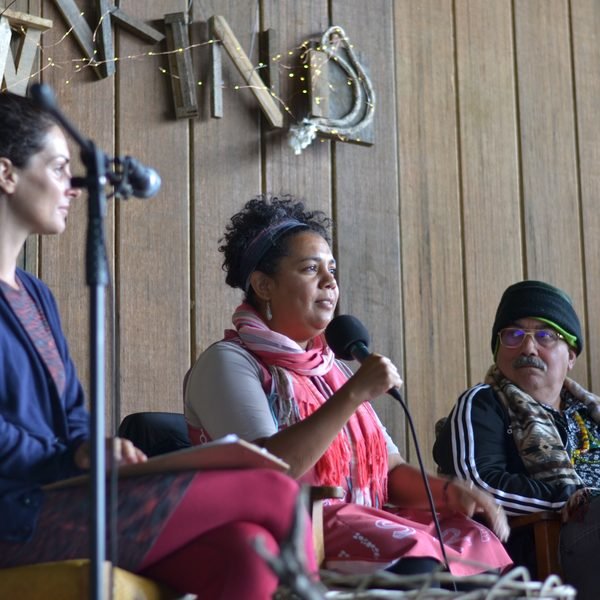
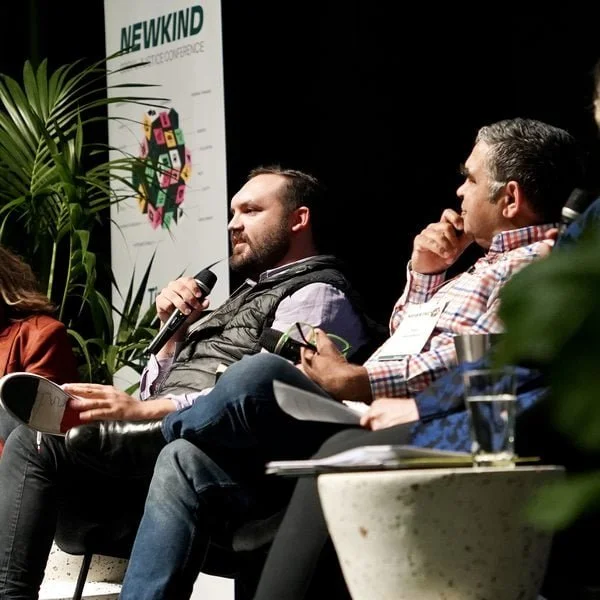
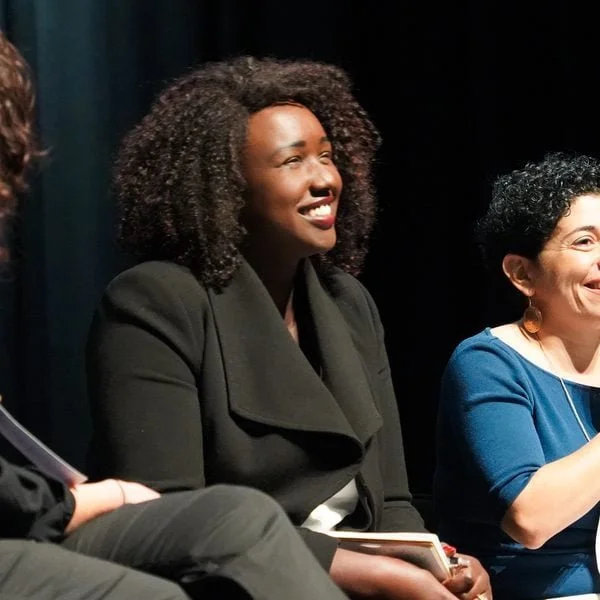
Is it really that hard to address Racism?Discussion Panel · Dr Virginia Mapedzahama, Tanya Hosch AM, Abdirasak Yusuf, and Dr Kathomi Gatwiri.Hear from an accomplished group of contributors to racial justice, anti-racism and decolonisation work across Australia. Develop a deeper understanding of the true extent and pervasiveness of racism in Australia, and learn about strategies and actions that have had a meaningful impact in employment, education, policy and academic settings.
Hosted by Erfan Daliri
(Koala Stage)
(Koala Stage)
(Koala Stage)
Redesign.
Meetup location
(Koala Stage)
Liz Downes, Saba Sinai
(Koala Stage)
(Koala Stage)
Koala Stage
In this performance they share sounds that do not belong just to a stage. Sonido Madre lives in the streets, in the mountains, in people’s homes, in celebrations, in rituals and in the spontaneous encounters between people. This musical journey explores ancient and raw sounds from the Andean mountains and redesigns them into celebration and the joy of being together.
Commitments.
Meetup location
(Koala Stage)
(Main Stage)
(Koala Stage)
2nd Shuttle Bus for the Airport leaves at 1pm for flights leaving after 4:30pm.
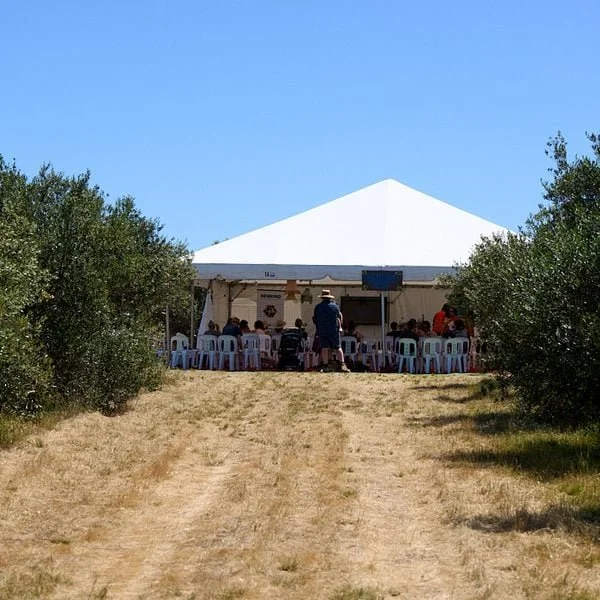
Ye are the fruits of one tree, and the leaves of one branch. Deal ye one with another with the utmost love and harmony, with friendliness and fellowship.
Voices you
will hear.
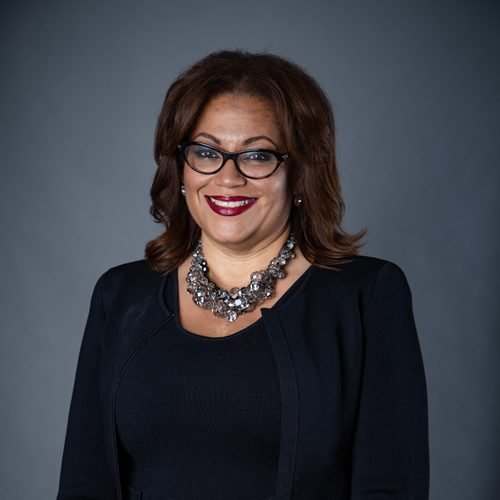
A nationally respected leader and advocate, Tanya Hosch AM was awarded a Member of the Order of Australia on Australia Day 2026 for her significant service to social policy and advocacy for diversity and inclusion. She is Director of the Goodes O'Loughlin Foundation (GO Foundation) and Chair of the Advisory Committee for the Centre for Indigenous People and Work at UTS, carrying a long and distinguished history in Aboriginal and Torres Strait Islander policy, social inclusion, governance and public advocacy.
She is the former Executive General Manager of Inclusion and Social Policy at the Australian Football League, having joined the AFL in August 2016 as the first ever Indigenous person and second woman in the league's Executive ranks. Before that she served as Joint Campaign Director of the Recognise movement for constitutional recognition, and in 2021 was named South Australian of the Year. Her board and advisory work spans Aboriginal and Torres Strait Islander issues, gender equity and inclusion across NAB, BHP, AFTRS, UTS, ANU, Circus Oz, Adelaide Fringe and many more.
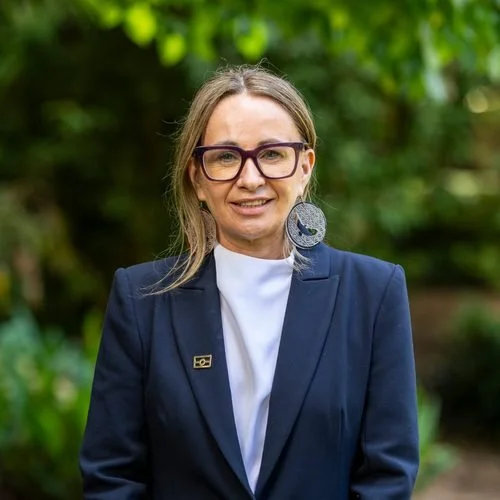
A Wurundjeri and Ngurai Illum Wurrung woman, Commissioner Sue-Anne Hunter is the National Commissioner for Aboriginal and Torres Strait Islander Children and Young People. A qualified social worker and recognised leader in the First Nations child and family services sector, she brings over twenty years of clinical experience responding to developmental, transgenerational and community trauma, alongside extensive expertise in governance and leadership.
From May 2021 to June 2025 she served as Commissioner of the Yoorrook Justice Commission, where she helped develop its framework and methodology, and previously held the role of National Sector Development Manager at SNAICC, the National Voice for our Children. She led the Victorian Aboriginal Child and Community Agency's NUGEL (Aboriginal Guardianship) program, helping shape Aboriginal guardianship laws in Victoria, and is widely recognised for developing rights-based, transformative practice responses that empower Aboriginal people to heal from the continuing effects of colonisation.
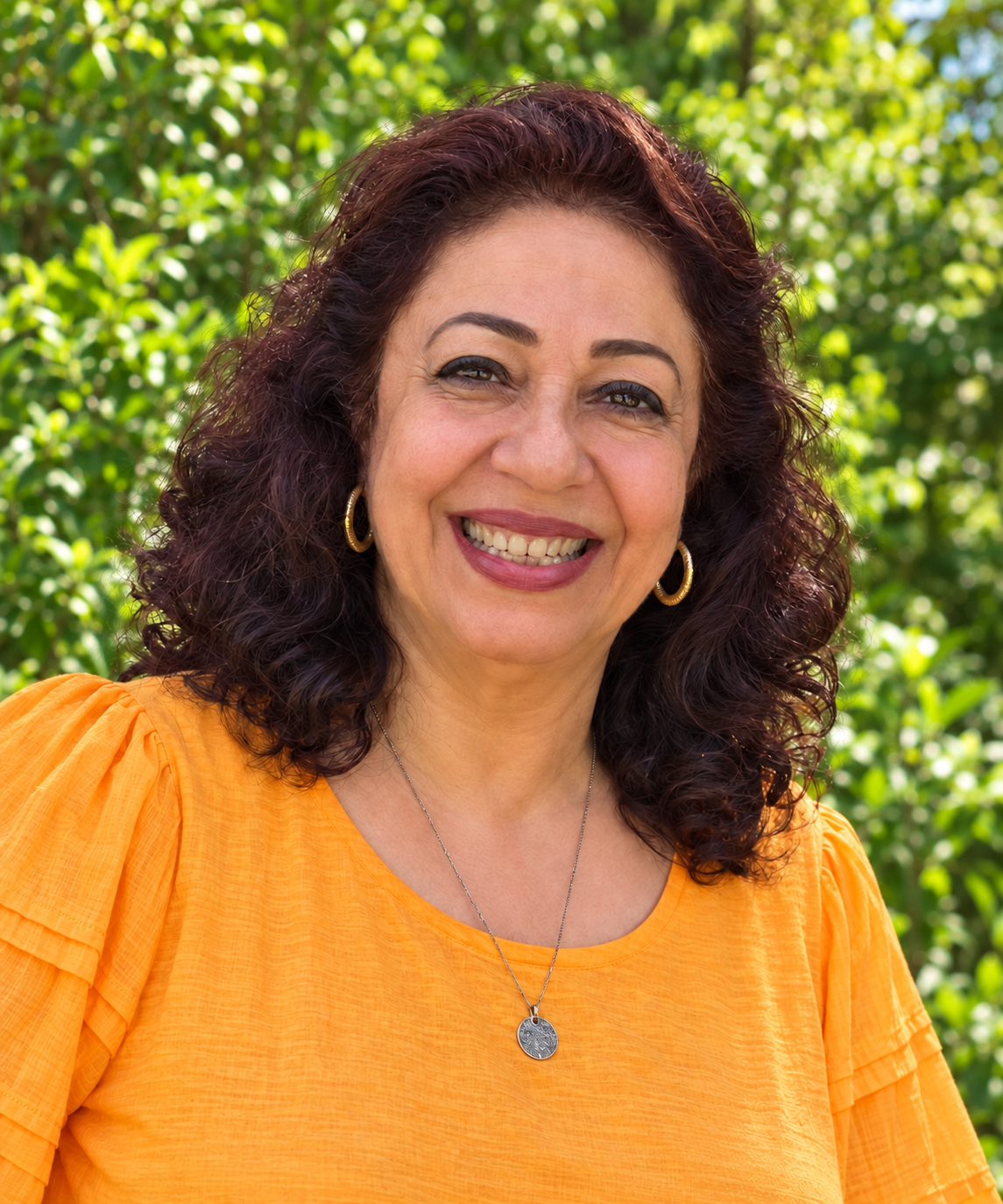
Azita Sobhani is the founder and director of Nobilities, the not-for-profit charity behind First Light, a youth and family empowerment program in regional New South Wales. Her work connects personal development with a wider commitment to building just, inclusive and united communities.
Azita works alongside young people, families and local organisations to provide mentoring, shared learning and youth-led community service, and supports young people to express their ideas, develop their abilities and contribute to the wellbeing of those around them.
A trained development economist, Azita brings extensive experience across international development, government, corporate and not-for-profit settings. Her career has included managing complex aid programs across Asia (Philippines, Timor Leste, Tibet, Indonesia) and leading teams across cultures, faiths and professional disciplines. She is also a trained executive coach and conflict resolution mediator.
Her previous roles have included Senior Policy Officer at the Department of Families, Fairness and Housing, and Program Director at the Australian Red Cross. Today, her work with First Light brings that experience into the daily practice of community building. Underpinning her work is a deep commitment to social justice and the inherent oneness of humanity.
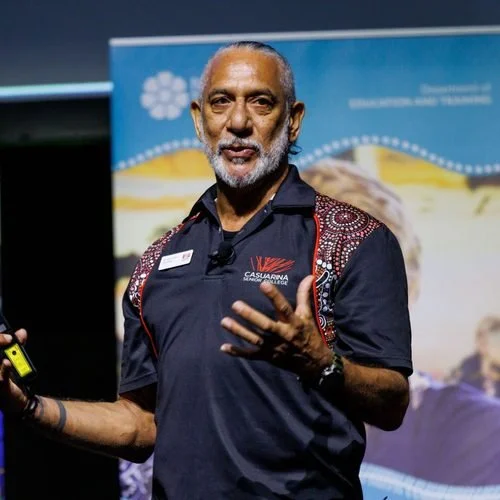
Bilyana Noel Blomeley is a highly distinguished Torres Strait Islander educator and mathematician, and the first known TSI graduate of the Harvard Graduate School of Education. Awarded a full scholarship to Harvard, he earned a Masters in Educational Psychology and a university medal for academic excellence and community service. He also holds a Masters in Indigenous Studies from Southern Cross University and a degree in pure and applied mathematics from UNSW.
Now a senior math teacher and mentor to Clontarf students at Casuarina Senior College in Darwin, Bilyana brings over thirty years of experience as a senior consultant for the NSW Department of Education and Training, a university lecturer, and a collaborator with Indigenous communities across Scandinavia, North America and the Pacific. As a mathematician he believes in inspiring students within the power of numbers, blending routine with deep, metaphorical meaning that resonates with Indigenous ways of being, knowing and doing. He uses personal and professional narratives to help men become more aware of the effects of intergenerational trauma.
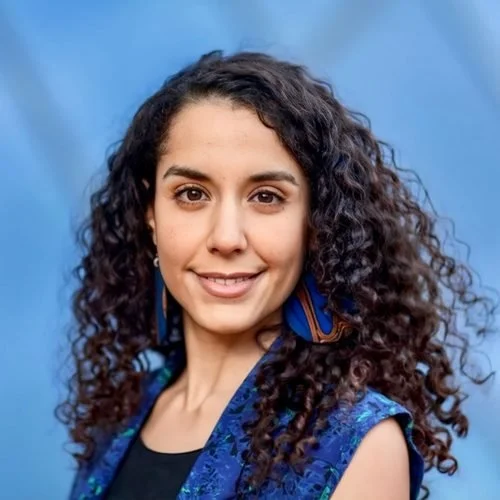
Dr Sabrina Chakori is a researcher, educator, policy advisor and multi-award-winning social entrepreneur working to enable sustainability transitions. As Chancellor's Research Fellow at the University of Technology Sydney and Honorary Lecturer at The University of Sydney, her research examines the governance of sustainability transitions, with a focus on exnovation, degrowth, food systems sustainability and social entrepreneurship.
For over seventeen years Sabrina has led numerous collaborations in various countries, including an initiative with Queensland's Environment Minister to introduce the law banning single-use plastic bags. She founded the Brisbane Tool Library in 2017 and is co-founding editor of the Degrowth Journal. Her work has been recognised through awards including the WasteSmart Brisbane City Council Award, the Create Change 7News Young Achiever Award QLD, the Emerging Female Leader bursary from the National Council of Women of Queensland, and a Highly Commended Judges' Award at the 2025 Queensland Women in STEM Awards.
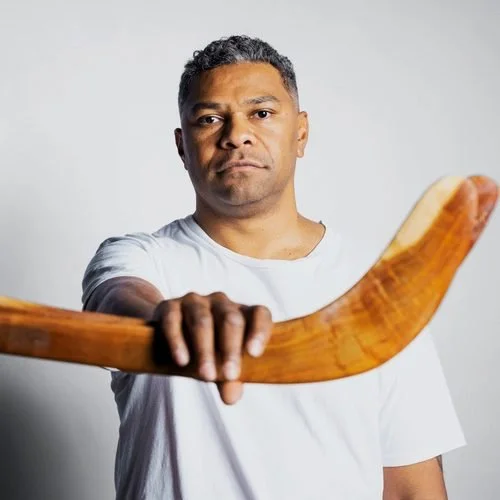
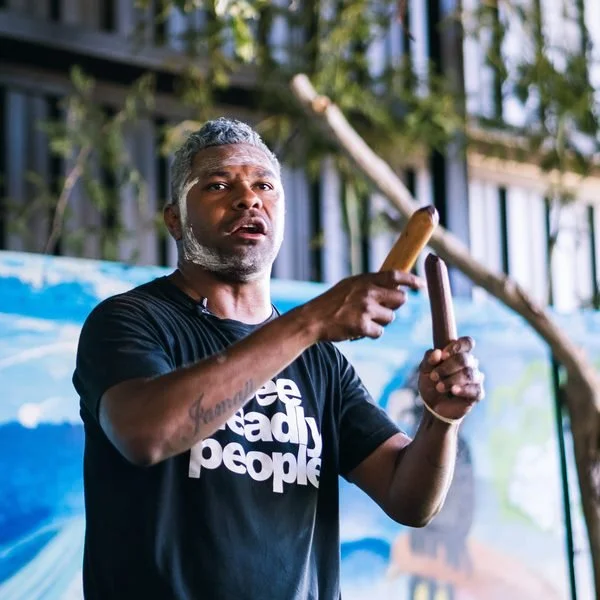
One of the Butchulla Songmen, Fred Leone carries Aboriginal, Tongan and South-Sea Islander roots and comes from the Garrwa and Butchulla tribes. As Songman he is one of the custodians of the traditional songs of the Butchulla tribe and one of a handful of keepers and custodians of their language, working to ensure that contemporary Butchulla stories are embedded into the collective memory of the tribes' oral histories and ceremonies going forward.
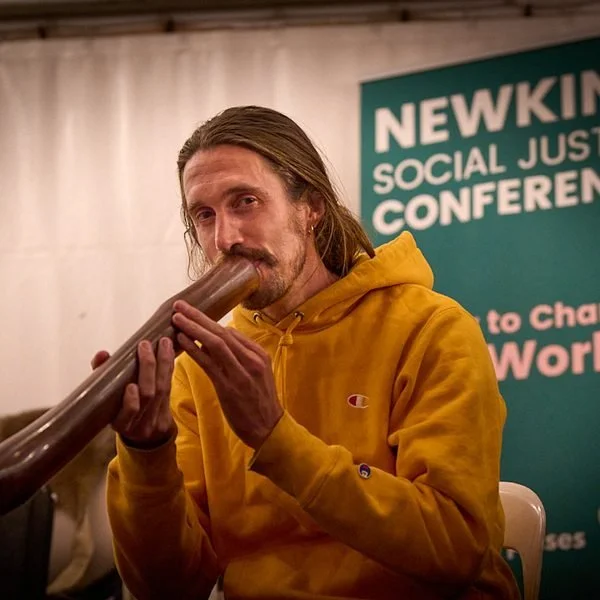
His primary instrument is his voice, supported by Kuluru (Garrwa for Yidaki, the Didgeridoo), Bargan (boomerangs), Ngurunj (Emu egg), tree branches, sand and other objects from K'gari. He has been touring the world for over a decade, sharing stages with Public Enemy, Xavier Rudd, John Butler, Jeff Lang, Tenzan Choegyal, Birdz and Amanda Palmer. His guest appearance singing in Butchulla on his cousin Birdz's track Bagi-la-m Bargan helped see the song become a hit, with millions of streams, a placement at #30 on triple j's Hottest 100, and the top prize for Best Song Composed for Screen at the 2022 APRA Screen Music Awards.
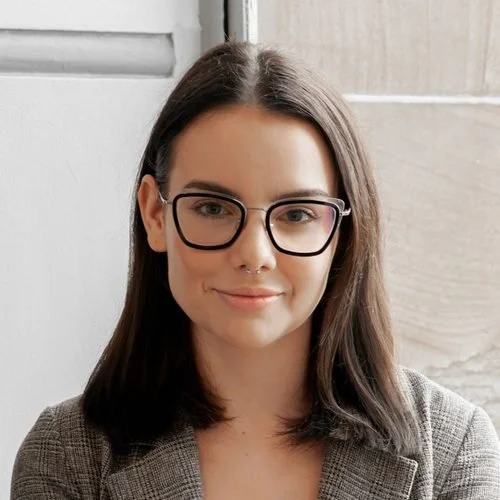
Dr Tiyana Jovanovic is a researcher, systems strategist, and social entrepreneur working at the intersection of resilience, systems change, and economic transformation. She recently completed her PhD in Communication for Social Change, where her research developed a non-linear theory of change grounded in resilience thinking, critical realism, and ecological systems theory, exploring how individuals and communities navigate stability, adaptation, and transformation in response to social change.
Alongside her academic work, Tiyana serves as a Director of the New Economy Network Australia (NENA), Australia's leading national network advocating for a just and regenerative economic future. Within NENA she convenes the Systems Change Hub and Storytelling Hub, fostering collaboration, strategic learning, and narrative change across Australia's new economy movement. She also hosts the Voices of the New Economy podcast, where she interviews leading thinkers, practitioners, and organisers working to reimagine the future of economics, democracy, and social systems.
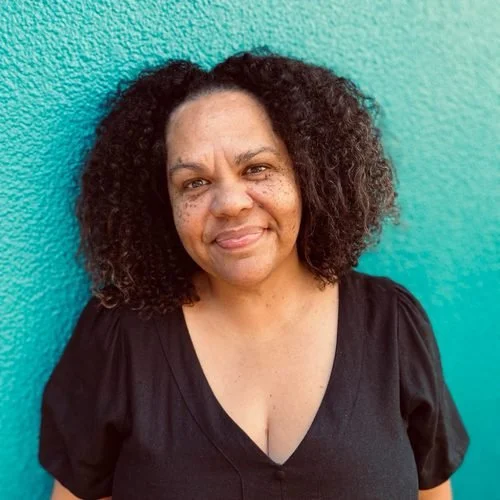
Vanessa Gordon is a Tolai woman from Bitapabeke Village in East New Britain, Papua New Guinea. Born in Papua New Guinea and raised in Hawaii, Vanessa now lives on Yugambeh Country (Gold Coast, Australia). As a published poet, she is deeply passionate about storytelling and cultural preservation, her creative writing drawing inspiration from the Gunantuna (Tolai) people and weaving narratives that reflect their rich heritage.
The stories of migration, history, ceremonies, legends, societies, and moieties are significant themes in her work. Through her poetry and prose, Vanessa aims to share these important cultural narratives with her readers, inviting them on a magical journey filled with the beauty and depth of her heritage, and honouring her roots while connecting diverse audiences with the vibrant traditions and histories of the Gunantuna people. She believes in the power of words to bridge cultures.
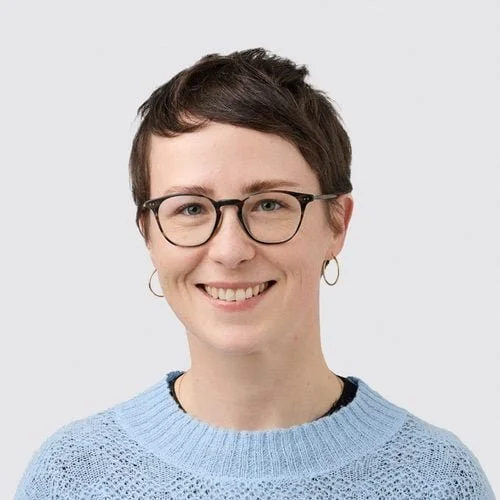
Beata Klepek is a Polish-Australian design researcher and dedicated advocate for inclusive design. Growing up between two cultures taught Beata early that systems aren't neutral, and that design can either reinforce or dismantle the barriers people face. As Design Research and Accessibility Director at Today, a design and innovation studio, she leads the research practice with a focus on participatory, creative and inclusive engagement.
Her expertise spans design research, co-design, accessibility and experience strategy, with deep capability in research with diverse populations, particularly where people have experienced disadvantage through systemic failures. She has guided government, not-for-profit and corporate clients toward human-centred outcomes, including award-winning work for organisations like Youth Disability Advocacy Service, Magistrates Court of Victoria and Victorian Ombudsman. Her work is grounded in a simple belief: good design is inclusive design.
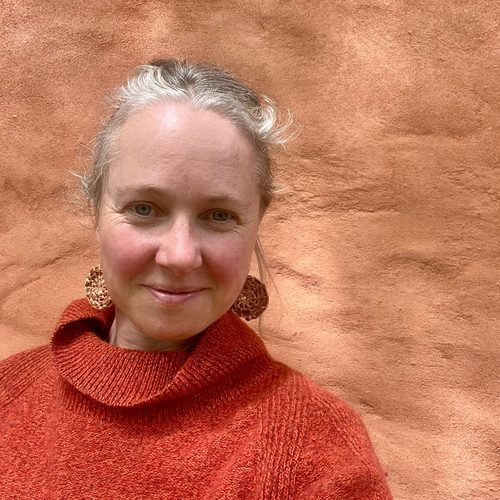
Lucy Richards (she/they) lives on Taungurung and Wurundjeri Woi-wurrung Country and has spent twenty years exploring the complexity, creativity and varying needs of humanity. She launched and built the health app Smiling Mind as its inaugural CEO, was a finalist in the Young Australian of the Year Awards (Victoria), and travelled the world teaching health advocacy to young people as Executive Director of NCDFREE.
Lucy has published a book of poetry and helped shape the mental health narrative of Australia as Head of Brand and Strategy at The Resilience Project. She is now Co-Founder of The Regenerative Leader and serves on the Board of Directors at CERES in Naarm.
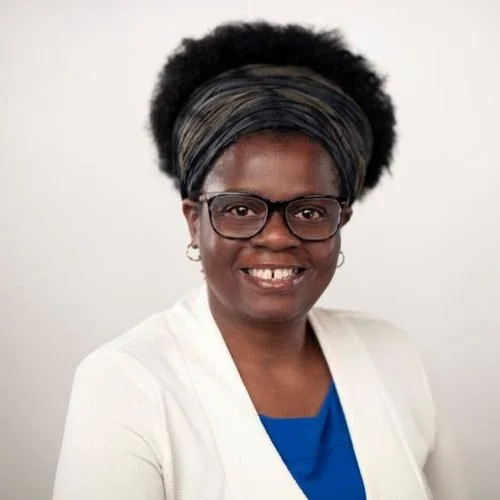
Dr Virginia Mapedzahama (PhD, Sociology) is the Racial Equity and Intersectionality Director and Project Lead for the RISE Project at Diversity Council Australia. A first-generation Black African migrant woman, and a critical race Black feminist scholar in the broader field of sociology of difference, her research interest is in understanding the social construction of all categories of difference.
She explores this interest in the context of subjective experiences of race, racism and ethnicity, migration, diaspora, Blackness and Black subjectivities, sexuality, hybridity, intersectionality and gendered violence. Virginia has published extensively in these areas, as well as across the broader fields of cross-cultural identities, African feminisms, post-colonial feminisms, the new African diaspora in Australia and African women diaspora.
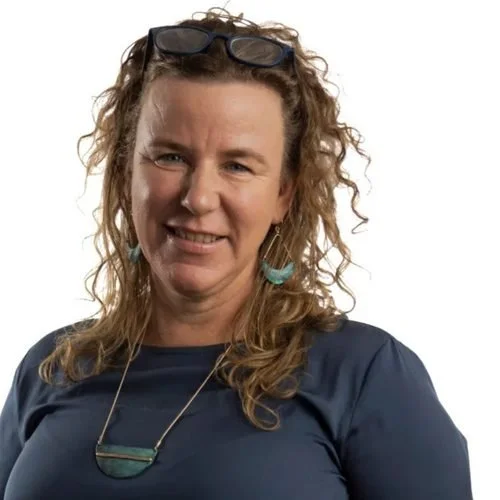
Dr Bronwyn Lay is a lawyer, writer and advocate with extensive experience in climate justice, disaster law and human rights. She has worked across the community legal sector, international environmental advocacy and government, and has published widely across academic, literary and industry contexts.
As Program Manager of Disaster Legal Help Victoria, she draws on years of frontline disaster legal coordination to ask what adaptive governance looks like in an age of climate extremes. She is also an experienced facilitator and moderator, and currently Chair of Sweltering Cities.
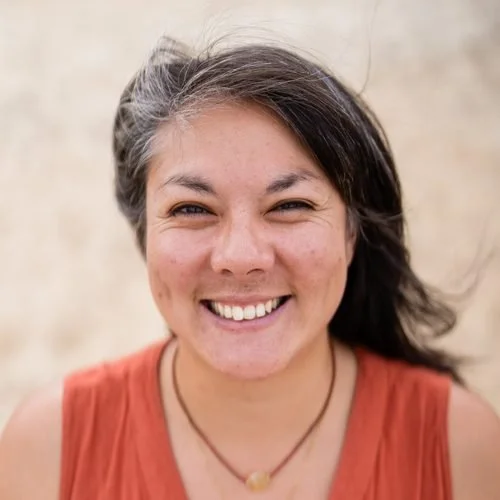
Cathy Williams is an award-winning author, trainer and facilitator in the world of body-based healing and creative arts therapy. Known for her empowering, compassionate approach, Cathy supports community to rekindle their relationship with their bodies and re-learn how to listen to, trust in and follow their intuitive wisdom. With seventeen years in community development capacity-building programs, the through-line of her work is creating spaces, resources and experiences that invite a curious dialogue with Self, body, heart, mind and Spirit.
Cathy has worked with a variety of people and age groups, including vulnerable young women, migrant communities, and survivors of sexual and domestic violence. She runs professional development training that shares somatic and expressive arts modalities with fellow practitioners. Her debut book, Body Wisdom: A Guide to Connecting with Your Intuitive Self, has won two awards in the personal development and health and wellbeing space.
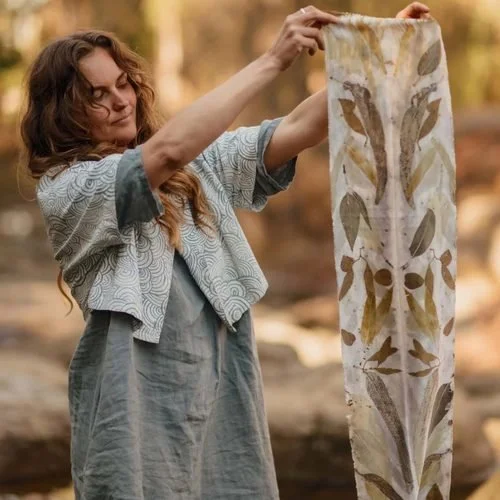
Coralee Williams is a Tasmanian-based artist, facilitator, and social enterprise founder whose practice centres on natural dyeing, plant-based textiles, and place-responsive creative processes. Her work is deeply informed by time spent walking, gathering, and observing local landscapes, particularly forests, coastlines, and tannin-stained rivers, which shape both her artistic outcomes and her approach to teaching.
With extensive experience designing and facilitating nature-based workshops, Coralee has delivered over seventy creative programs for community groups, schools, arts organisations, and regional audiences. She is the founder of Small Town Experiences, a social enterprise that brings together art, community, and environmental care through workshops, markets, and creative gatherings, and maintains a studio practice at Kickstart Arts, where she continues to develop her work with natural pigments, eco-printing, and textiles. Her facilitation style is intuitive, grounded, and participant-led, shaped by a strong commitment to care, safety, and shared learning.
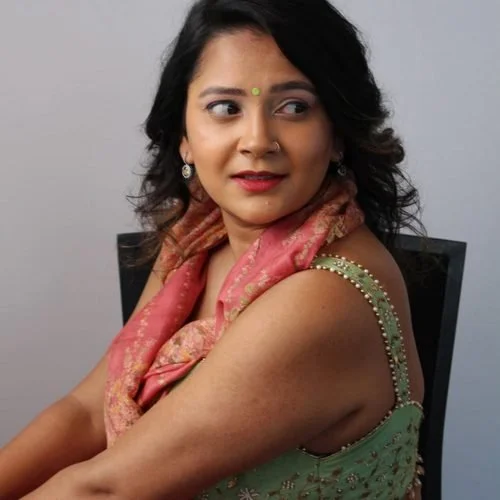
Dr Heena Sinha Cheung is a founder, advocate, and systems thinker working at the intersection of technology, safety, and social change. As a survivor of childhood sexual abuse, her work is deeply personal, driven by a commitment to ensure that systems meant to protect people are truly designed with them in mind.
She is the founder of My Safe Circle, an initiative focused on prevention through early education, community awareness, and systemic reform. Alongside this, she co-founded Simple AI, where she works with organisations to implement technology in ways that are ethical, practical, and human-centred. She recently participated in the United Nations Commission on the Status of Women (CSW70), contributing to discussions and speaking at a parallel NGO CSW Forum event focused on justice, prevention, and the role of emerging technologies in shaping safer systems.
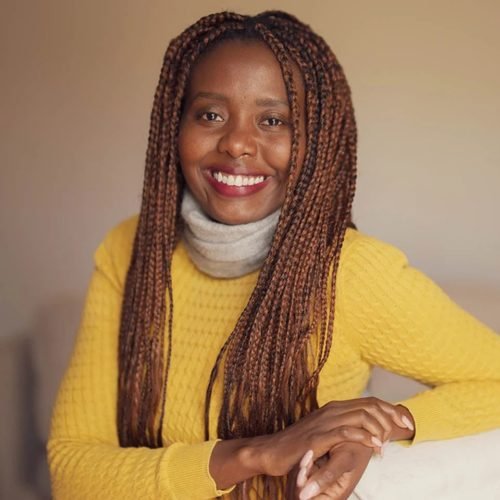
Professor Kathomi Gatwiri is a nationally recognised scholar, researcher and leader whose work bridges academic research and community impact. A Professor in the Social Work Discipline at Flinders University and an ARC DECRA Fellow at the College of Education, Psychology and Social Work, she is one of Australia's leading Afro-diasporic scholars, with research focused on decolonising methodologies and anti-racist pedagogies that explore racial trauma, identity, migranthood, and the experiences of minoritised people. She developed the Racial Dignity Theory and the Racial Dignity Framework as a tool for understanding racism as an assault on human dignity, adopted across various organisational settings.
Since completing her PhD she has secured over $1.5 million in competitive research funding and published more than 100 traditional and non-traditional research outputs, including the books African Womanhood and Incontinent Bodies and Afrodiasporic Identities in Australia. She is the Founder and Director of Healing Together, a service offering culturally affirming therapeutic support for people impacted by racial trauma, and Femicide Count Kenya, a platform documenting murdered Kenyan women. She served for four years as President of the Australian Women and Gender Studies Association and sits on the advisory committee for the Australian Human Rights Commission's Racism@Uni national study.
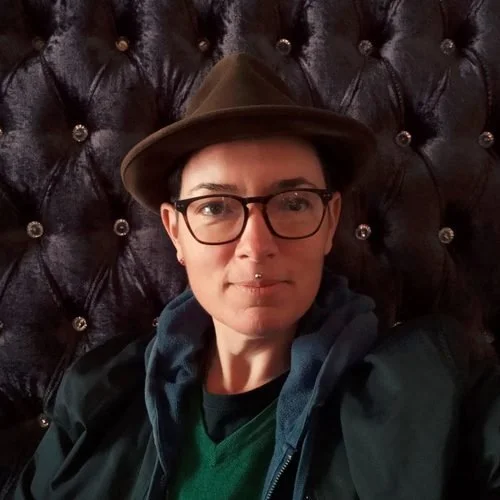
Eleven Greenstones (she/they) is a social scientist, facilitator, mediator and generative conflict specialist. She seeks deep justice and a fertile ecology by cultivating rich soil and robust, adaptive communities. For 30+ years they have informed or performed behind a radio desk, on stage and screen, and in front of a classroom. They have designed and delivered training in Aotearoa, Australia, Timor Leste, Korea and America, educating in high schools, AOD rehab, police stations, hospitals and international language schools, and mentoring in arts workshops and community gardens.
Eleven has studied with Generative Somatics, fugitive philosopher Bayo Akomolafe, and the People's Institute for Survival and Beyond (US). She is grateful to be rooted in global communities which support and shape her, tips her hat to those who carved the paths she walks, and works to keep the trails warm for those who will come. She is of Irish/Italian-American and Scots/English descent, raised in comparative safety enveloped by the natural abundance of Aotearoa/New Zealand.
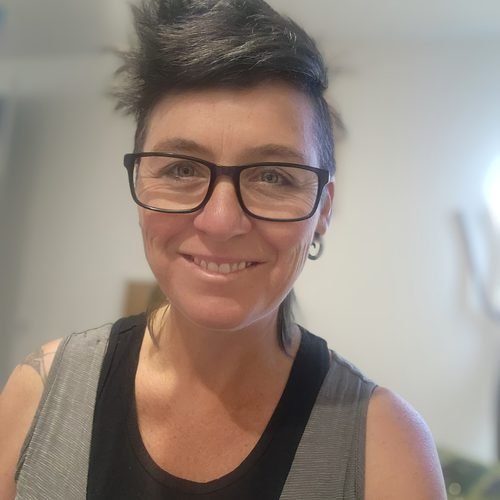
Dr Emma Bennett is an independent ecologist and one of the leading experts in the Asia-Pacific on the impacts of wind energy on bats and birds. Working across industry, government, Traditional Owner groups, and the not-for-profit sector, she brings a uniquely cross-sector perspective to complex environmental challenges.
Through Elmoby Ecology, Emma is known for interrogating the gap between legislation, policy, and practice, particularly where systems fail to adequately protect wildlife or incentivise meaningful action. Her work focuses on driving change toward approaches that are proactive, evidence-based, and genuinely accountable. She is motivated by a clear goal: to ensure the renewable energy transition delivers for both climate and biodiversity, and that doing better for wildlife becomes the standard, not the exception.
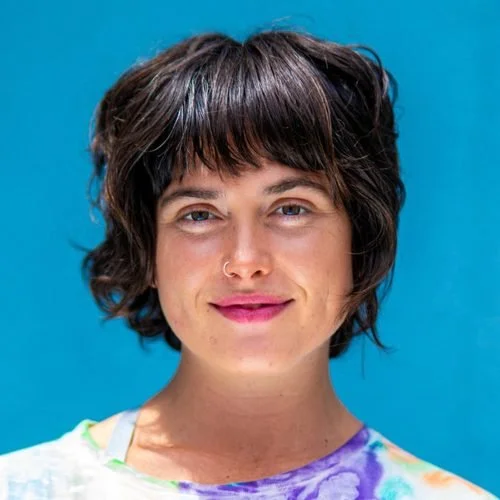
Asher Bowen-Saunders is a professional contemporary dance and movement artist, bodywork therapist and environmental activist. Completing her BFA in Dance Performance with Distinction in 2013, Asher has worked as a contemporary dancer for companies and artists including Phluxus2 Dance Collective, Voiiid Collective, Broad Encounters, Opera Australia, KIN body, The Ironing Maidens, Prying Eye, SPRUNG!!, STRUT dance and Ochre, and works professionally in the fields of immersive, improvisational and children's theatre, aerial dance, adagio acrobatics, Samba, burlesque, living statues, costume design and dance on film.
Her own works, including Adorned, Call to the Stone, Dance Me to the End of Love and To Whisper Tomorrow, intend to enhance the way people experience their bodies and their relationships, generate appreciation for other species and the environment, and inspire lifestyle changes toward a more sustainable, connected and wholesome way of living. Through Spirals of Soma she leads movement work that connects mind, body and soul, while The Waste Free Way helps people transition to a waste-free lifestyle in a judgement-free, supportive space.
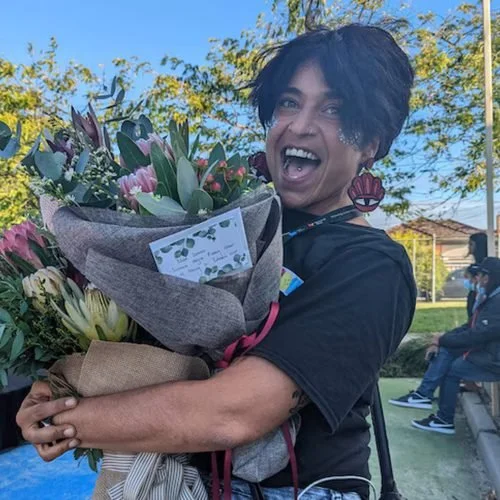
Francine Sculli is a creative, educator and community connector committed to building spaces of belonging, amplifying unheard voices, and working alongside communities to shape more just futures. Her practice is grounded in strengths-based approaches, care and collaboration: amplifying voices, harvesting stories, nurturing leadership, and supporting young people and communities from diverse backgrounds to know themselves, show themselves, and grow with confidence, agency and purpose.
With over twenty years' experience across the arts, education and community sectors, Francine has held senior leadership roles in education, including Assistant Principal of Wellbeing, Inclusion and Community. She is currently the Engagement Coordinator at River Nile School, where she leads engagement strategies, enrolments, partnerships and community engagement, and works alongside young women from refugee backgrounds to step into leadership, voice and visibility. At the heart of her work is a belief that when people feel seen, safe and connected, they don't just survive, they thrive, lead and create change.
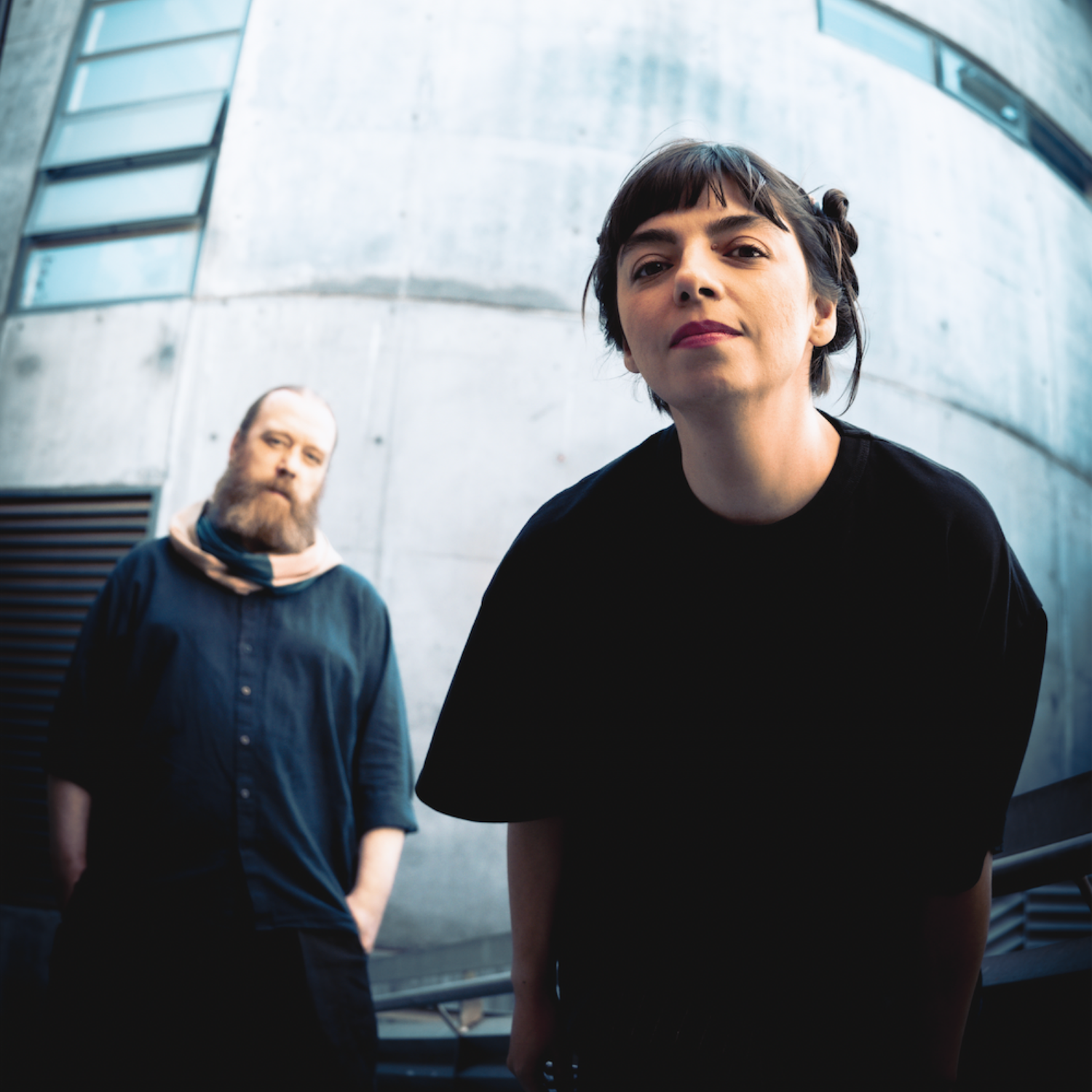
ZÖJ is an experimental cross-cultural music duo from Ballarat, comprising Gelareh Pour (kamancheh, voice) and Brian O’Dwyer (drum kit). Drawing on Persian musical traditions, contemporary improvisation, and experimental art music practices, the duo creates immersive performances that blur the boundaries between composition and spontaneous creation.
Central to ZÖJ’s work is Persian poetry, which shapes both their musical language and emotional expression. Their distinctive approach has seen them perform at major national and international festivals including WOMADelaide, Dark Mofo, Mona Foma, Experimenta, Le Guess Who?, Tromsø World, National Folk Festival, and the Women in Jazz Festival, among many others.
Their recordings and performances have received widespread critical acclaim, earning the 2024 Art Music Award (APRA AMCOS) for Excellence in Experimental Practice, the 2025 Australian Folk Music Award for Best Song in a Non-English Language, and recognition for Performance of the Year in the Jazz/Improvised Music category in 2022.
Through virtuosic musicianship, deep listening, and a commitment to authentic intercultural dialogue, ZÖJ creates powerful performances that are intimate, adventurous, and profoundly human.
Following the international success of Fil O Fenjoon (2023) and Give Water to Birds (2025), ZÖJ released their third album, May The Devil’s Ear Be Deaf, in May 2026. Recorded live in a single take in Canada and launched through an extensive European tour, the album has been celebrated as “a rare, suspended beauty,” with critics praising Gelareh Pour’s mesmerizing voice and the duo’s powerful interplay of kamancheh and percussion. ZÖJ’s work has received national and international recognition, including the 2024 APRA AMCOS Art Music Award for Excellence in Experimental Music, while Gelareh Pour is a recipient of the prestigious Sidney Myer Creative Fellowship.
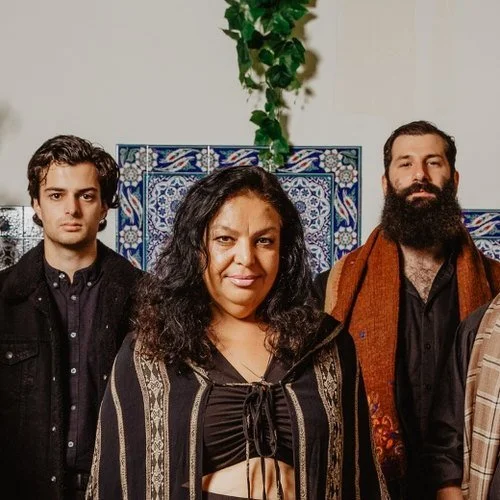
Transport yourself and cross borders with The Kismet Project. Ms Onur Kurt, born in Melbourne Naarm to Turkish migrants, grew up with the love for Turkish music. She was part of the Melbourne Turkish Ensemble, then Turkish Classical & Folk Choir from 2012 to 2017. In 2014 she took part in Brunswick Women’s Theatre where she wrote her own song for Talk, You, Melbourne in Turkish and English.
Ms Onur Kurt returns with her soulful voice and music that reflect her Turkish roots and Western influences. She founded The Kismet Project in 2019 performing a range of Turkish Classical Music, Anatolian Folk & Psychedelic as well as Romani gypsy.
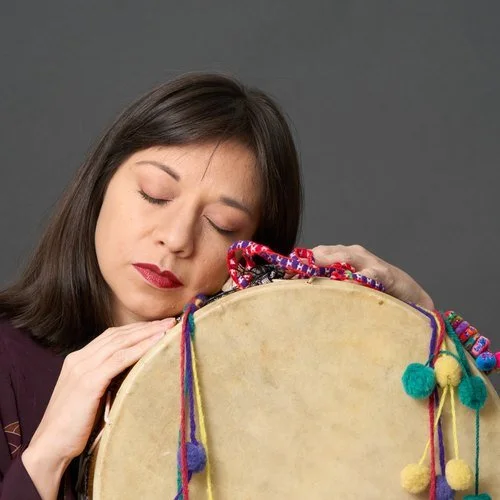
Sonido Madre (Mother Sound) is a project of Monica Santos and Michel Bestrin. It advocates the importance of bringing people and culture together through music. The mother sound is what connects us to both our homeland in South America and the people we encounter in Taungurung and Wurundjeri Woi-wurrung Country. It is the sound emerging from Pacha Mama (Mother Earth) and drawing into the air.
Monica is from Jujuy, in the northwest of Argentina, where the Andes meet the lives, memories and traditions of rural and Indigenous communities. Song writer and interpreter, Monica formed her first band in Tokyo, Japan called アンデスナンデス (Andes andes). It was a band with Japanese musicians who focus on Latin American Folklore and Andean sounds. She plays caja coplera, and bombo legüero, ancestral drums from the northwest of Argentina. Monica has been travelling around the world for the last 10 years and reflects this eclecticism in the music of Sonido Madre. She combines the voices of the Andean ancient people together with the cry of the soul. Detaching from the Western standardised musical patterns to acknowledge not only the musicality of sacred rituals and festivities of the Andean people but also to enrich them with the local folklore she explores in all her journeys.
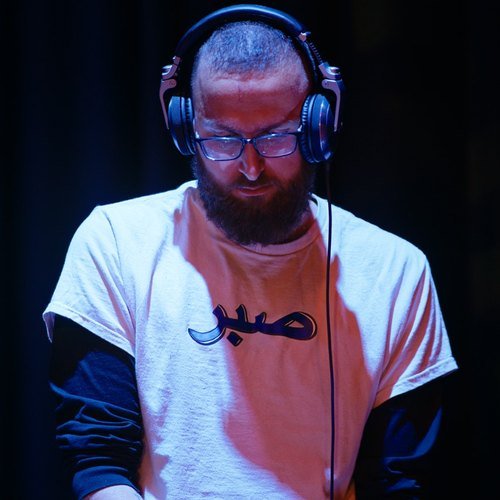
Luqman works between dark techno, dub-leaning club music and bass-heavy percussion. His sets are built on paced transitions, extended builds and the kind of structural restraint that comes from trusting a room to settle in before steering it.
The Naarm-based DJ, producer and broadcaster has spent the past several years building a presence across Melbourne’s underground and the regional Victorian circuit, with particular depth in Castlemaine.
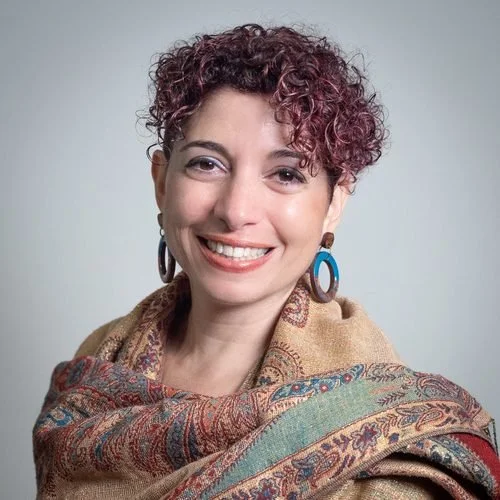
Hala Abdelnour is the CEO and Founder of the Institute of Non-Violence (IoNV), which she founded to help tackle family violence and push for real change. With a background in psychology, criminology and social work, she has created programs that highlight cultural safety and trauma awareness.
Hala works directly with people who use violence, aiming to help them change and build safer communities. A strong voice for marginalised groups, she has written articles and spoken on many media platforms. Moving from a young migrant to a leader in non-violence, she is passionate about making society fairer for everyone.
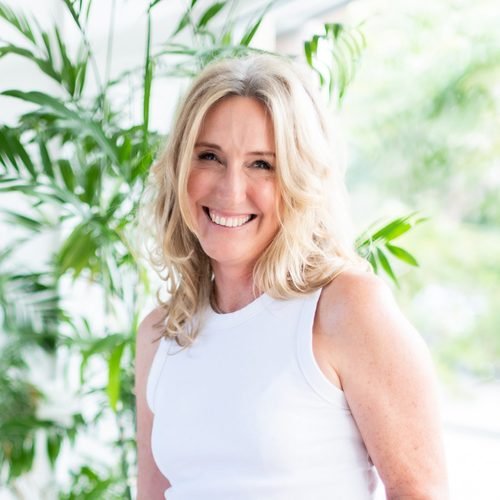
Hannah Richmond is an experienced naturopath, clinical nutritionist, university lecturer and integrative health practitioner with a background in public health. With decades of clinical practice, she brings together evidence-informed nutritional medicine, holistic medicine, and systems-based thinking to support individual and community wellbeing.
As an educator, Hannah is passionate about shaping the next generation of practitioners to think critically, practise ethically, and honour the human and ecological dimensions of healthcare. A devoted nature lover, she believes deeply in the interconnectedness of environmental and human health, and advocates for a model of care that recognises healing as both personal and planetary.
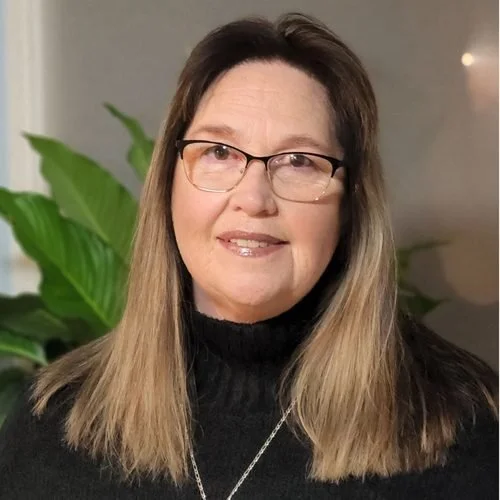
Jenny Holmes is a proud Aboriginal woman from the Dharug and Dharawal mob with over fifteen years of experience in community services. She is the Program Manager for WAGEC's From Now program, which supports women, particularly pregnant women and mothers, transitioning from custodial sentences alongside their children. Her expertise spans mental health, suicide intervention, and substance use recovery, with a strong focus on harm minimisation and culturally safe care.
As a leading group facilitator, Jenny creates safe spaces for healing and empowerment across both mainstream and community-controlled settings. Her facilitation style honours the lived experiences of Aboriginal and Torres Strait Islander women and is informed by a deep understanding of intergenerational trauma and recovery. Her work is driven by a passion for justice and advocacy, championing integrated, culturally responsive models of care that support women and children in building stable, resilient futures.
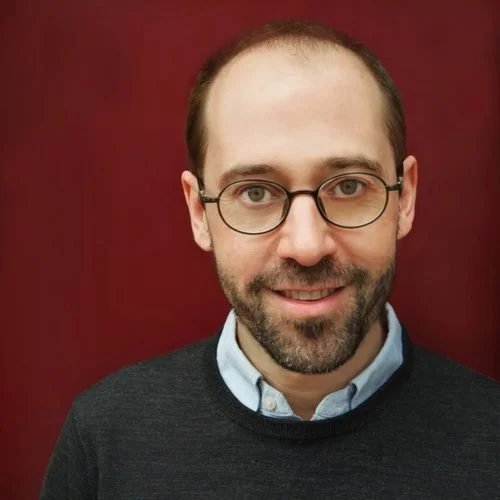
Dr Julien Leyre is a French-Australian writer, philosopher, editor and facilitator. He helps people find personal and professional clarity as they engage with the complex challenges of the 21st century, with writing on virtue ethics, Solarpunk, global catastrophic risk, and queer experiences published in France, China, Bangladesh, Sweden and Australia.
He currently works as in-house writer for the World Ethic Forum, an NGO exploring the preconditions for a world of radically shared aliveness, serves as President of Shapeshifters Group Inc, an association that aims to give voice and visibility to the people who do the work in-between in organisations and ecosystems, and co-founded the Future Governance Agency, demystifying and expanding the 21st century toolkit for statecraft and collective decision-making. He was named New Australian of the Year in 2017 and listed on the Victorian Multicultural Honours List.
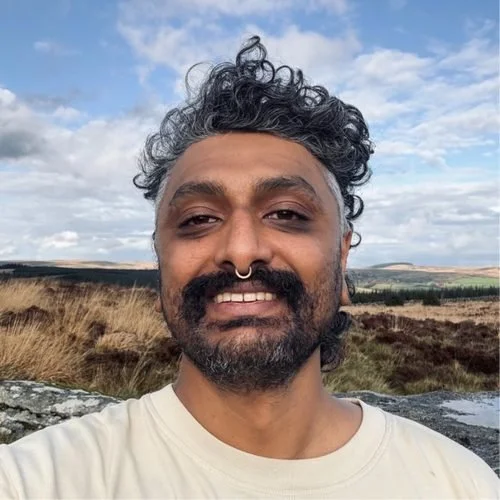
Dr Kiran Kashyap is a systemic designer, researcher and activist with over fifteen years of co-design experience on Gadigal Country. As Mission Steward of Regen Sydney, they use design-led approaches to embed relational ontologies, foster cross-sector alliances and shape new civic infrastructures.
Kiran's work is primarily focused on encouraging system-level transitions towards regenerative economics and bioregionally-adapted governance. Through Doughnut Economics at city scale, demonstrator projects in food and water restoration, and a commitment to systems thinking as a crucial skill, they work to build the civic infrastructures the regenerative work ahead will need.
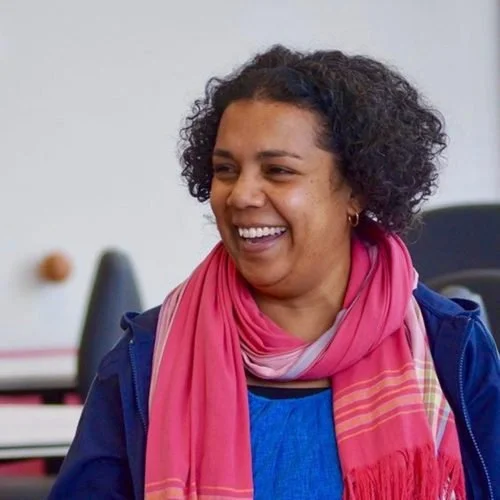
Lina Patel is a facilitator on a mission to alleviate needless workplace suffering and sow more kindness into the world, one team at a time. She has decades of experience working with the public sector, private sector, and community and not-for-profit sectors.
Having been part of seventy-plus different teams and facilitated over six hundred and fifty gatherings on-site and online, Lina is passionate about supporting groups to gather well. Through her practice Revma, she brings the key ingredients of facilitation to organisations seeking social change outcomes. Her specialty is getting things done, calmly.
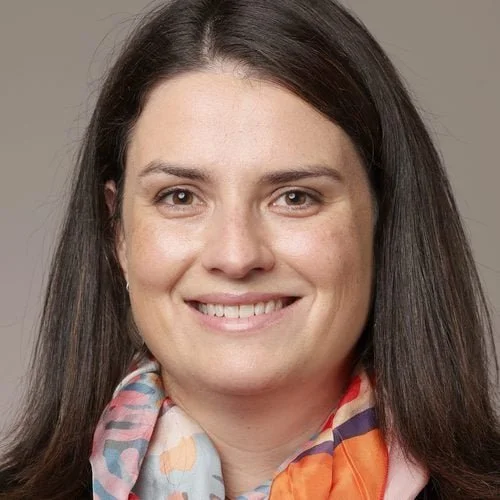
Dr Lorenn Ruster is an interdisciplinary scholar working at the intersection of academia and industry. She combines over a decade of experience working in professional services as a Director of PricewaterhouseCoopers Indigenous Consulting, specialising in systems thinking, community-led tech development, strategy, human rights and governance, with her current research in responsible AI practices.
Her PhD from the Australian National University School of Cybernetics focuses on participatory, engaged research with organisations building or thinking about building AI-enabled products, where she co-designs and embeds organisational processes and practices to enable responsible AI. One prototype developed throughout her PhD is the Dignity Lens for algorithmic development, now published in international academic journals and embedded into a data science team's everyday operations.
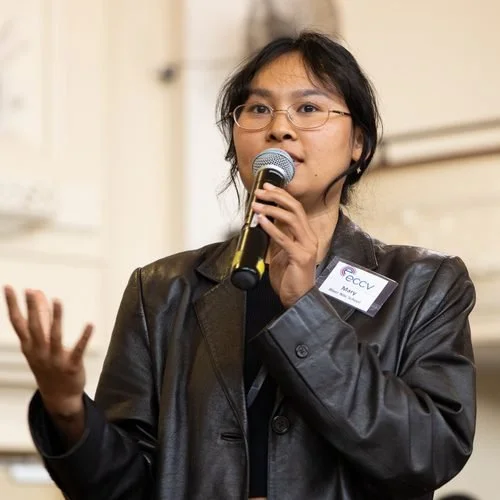
Mary Aung is the Community Engagement Officer at River Nile School, working collaboratively with Francine Sculli as the school's Engagement Team to build meaningful connections between young people, community and opportunity. River Nile School is an independent senior secondary school supporting young women aged 15 to 24 from refugee and refugee-like backgrounds to complete their education, access holistic supports and develop pathways toward their futures.
Together with Francine, Mary leads enrolment and outreach, builds cross-sector partnerships, and designs community-led events and initiatives that strengthen connection, belonging and access. Her work centres strengths, culture, identity and storytelling, ensuring young people's lived experiences are recognised, valued and elevated. At the heart of her work is a belief that when young people feel seen, safe and connected, they don't just participate, they lead, thrive and shape the world around them.
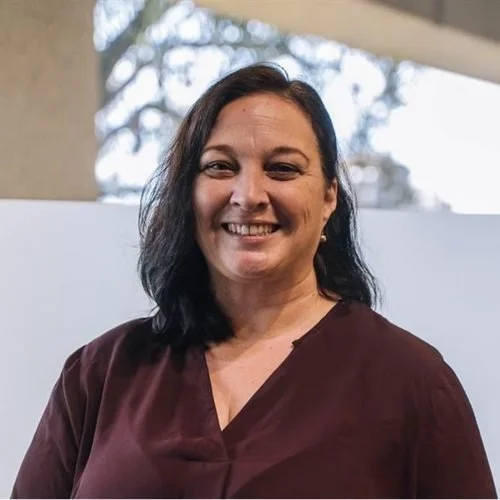
Nicole Yade is the CEO of the Women's and Girls' Emergency Centre (WAGEC). She has over twenty-five years of experience leading, designing, and delivering services for marginalised people in the NGO sector, much of which has involved working across cultures with traumatised populations, including extensive work with victim-survivors of violence, refugees, and Aboriginal communities.
In 2024 Nicole was awarded the Chief Executive Women Not for Profit scholarship, which enabled her to attend Harvard University to study leadership development. In 2025 she was recognised as Burwood Citizen of the Year, the Committee for Sydney's Unsung Hero at the Sydney Awards, and Advocate of the Year in Marie Claire's Women of the Year Awards. She holds a Masters in Counselling and Psychotherapy and a Bachelor of Arts with Honours in Anthropology from The University of Sydney, and is a proud feminist and victim-survivor advocate.
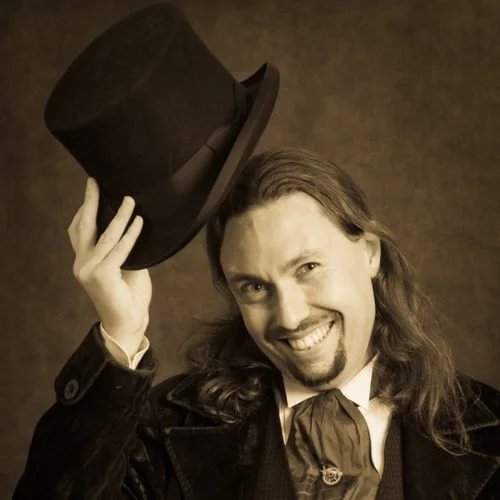
Paul Fenwick (he/him/they/them) is a veteran software engineer and internationally acclaimed public speaker. He has formally worked at large organisations including the United Nations Office for the Coordination of Humanitarian Affairs (UN OCHA) and Valve Software, and has given talks on technology and ethics at Facebook, Google, and numerous tech conferences worldwide.
Paul is also a volunteer repairer at both the Glen Eira Repair Cafe and the Newkind Repair Cafe. He thoroughly dislikes planned obsolescence and surveillance capitalism, and takes special joy in reusing natural and found materials. At Newkind, his sessions span enshittification, Free and Open Source Software as a path out of surveillance capitalism, and the recovery of forgotten urban skills like basketry and cordage-making from plant fibres.
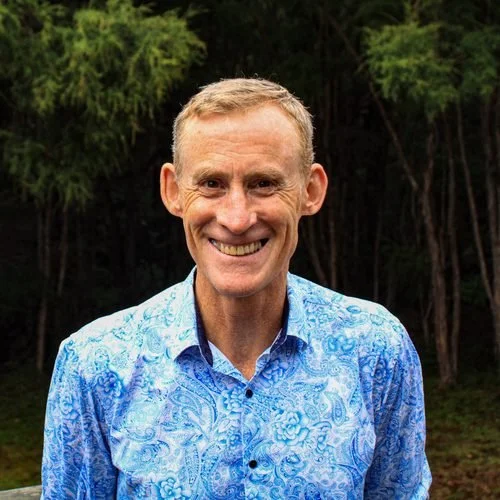
Dr Peter Johnston is an accredited practising dietitian with a Masters in Nutrition and Dietetics and a PhD in Human Genetics. He is a fellow of the Australasian Society of Lifestyle Medicine and has completed health coaching training with Well Start Health, and has been exclusively plant-based since 1991, after learning of the health, environmental and ethical benefits.
Peter runs a private practice, Perfect Human Food Consulting, offering individual consultations, public speaking, webinars, workplace health programs, and residential reboot programs. He is a member of the advisory council for health charity Doctors For Nutrition, a partner with Melbourne Lifestyle Medicine, and has expertise in the prevention, treatment and reversal of chronic diseases through whole food plant-based diets and the holistic approach of lifestyle medicine. He has a special interest in the links between food and environment, and teaches widely in this area.
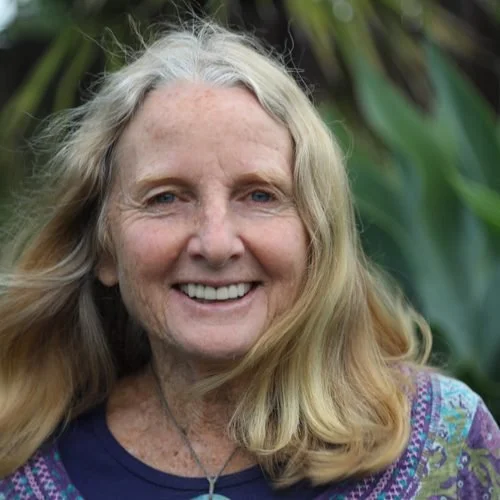
Robina McCurdy is a dedicated permaculture educator and designer, working through her founding organisation, the Institute of Earthcare Education Aotearoa. She is the organic garden manager of Tui Community & Land Trust in Golden Bay, a forty-year-old intentional community she pioneered, and an accomplished community development facilitator, having facilitated community-building with forty-eight community organisations in ten different countries, including her current professional facilitation work with GENOA (Global Ecovillage Network Oceania Asia).
Robina has produced a range of community resilience resources focusing on participatory processes for decision-making and collective action, the most prominent being Grounding Vision, Empowering Culture, a manual for community facilitators. In 1999 she piloted S.E.E.D. (Schools Environmental Education & Development) in Cape Town's squatter settlements, and in 2012 established The Localising Food Project, producing documentaries and facilitating bioregional food action workshops throughout New Zealand and internationally. She is currently distilling her past thirty years of work in this field into a comprehensive hands-on manual for facilitators of bioregional food resilience and food sovereignty.
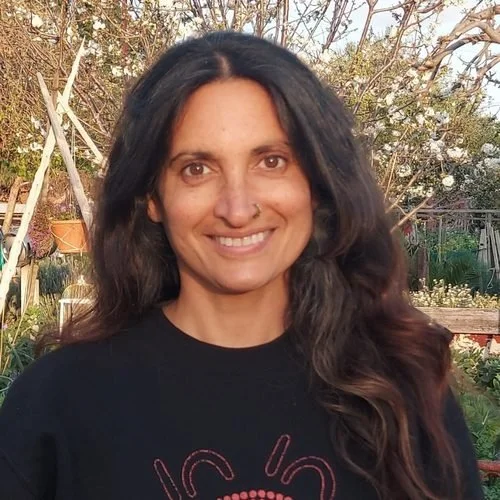
Sheena Chhabra is a Melbourne-based campaigner and volunteer coordinator for the global Plant Based Treaty, working across the Oceania region. She advocates to local governments to adopt plant-based policies into climate action plans, with the Treaty now endorsed by seventy cities globally.
Her work focuses on driving systemic change by placing food systems at the forefront of climate and environment solutions. She champions a transition to a safe and just food system, one that operates within planetary boundaries while equitably meeting human needs, and aims to contribute to meaningful, lasting transformation in Australia's food system and broader social justice landscape.
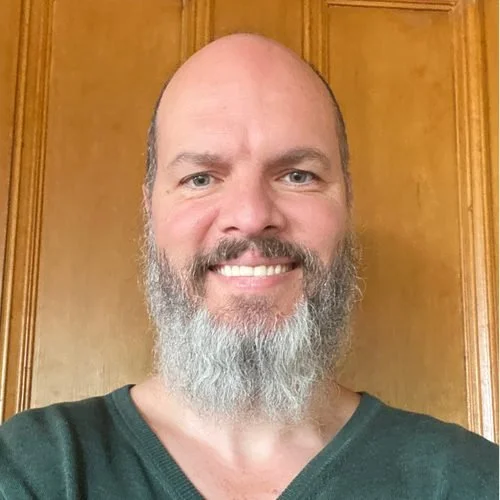
As Chair in Race Relations, Professor Yin Paradies conducts research on the health, social and economic effects of racism, alongside anti-racism theory, policy and practice across diverse settings, including online, in workplaces, schools, universities, housing, the arts and health. He also teaches and undertakes research in Indigenous knowledges and decolonisation. He has authored 265 publications, including 190 peer-reviewed articles, 25 book chapters and two monographs, and has delivered 309 presentations (83 international, 209 invited), including 48 guest lectures and 29 keynotes.
Professor Paradies is an investigator on 12 current and 58 completed grants (12 as lead investigator, 11 ARC and 9 NHMRC) worth a combined $58 million, and an invited reviewer for 127 journals. He has assessed grants for the Australian NHMRC, the Australian Research Council, the New Zealand Health Research Council, the US National Science Foundation, the Marsden Fund, the Ontario Research Fund, the US-Israel Binational Science Foundation, the Swiss National Science Foundation and the Austrian Science Fund. He has served on the editorial boards of Ethnic and Racial Studies, the Australian and New Zealand Journal of Public Health, and Australian Aboriginal Studies. He currently co-supervises nine PhDs, has supervised fourteen to completion, and as of January 2025 had 2,249 citations with a Google h-index of 69.
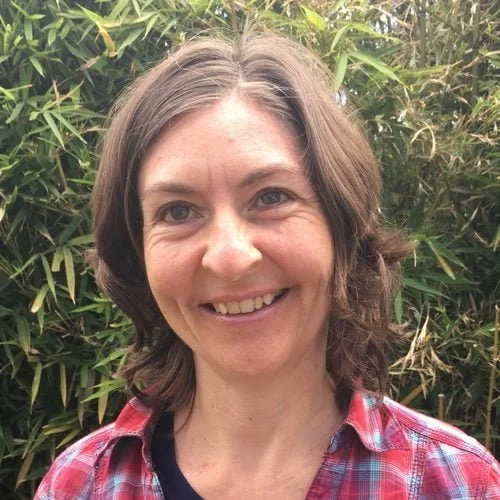
Liz Downes is an activist and campaigner working in environmental protection, post-extractivism and anti-militarisation. She currently holds three roles. As Director of the Rainforest Information Centre, for the past eight years she has coordinated a campaign based in Ecuador supporting Indigenous and campesino communities to defend their lands from unwanted mining projects and conserve the world's most biodiverse forests.
As Chair of Aid/Watch, she is building a database of Australian critical minerals mining companies, the impacts of their projects on communities and environments, and the active resistance against mining expansions. She also contributes to Yes to Life No to Mining, an international network supporting communities to build sustainable and earth-honouring lifeways and economies. In her spare time she is active on the frontlines with the Bob Brown Foundation, defending forests in lutruwita from logging and mining.
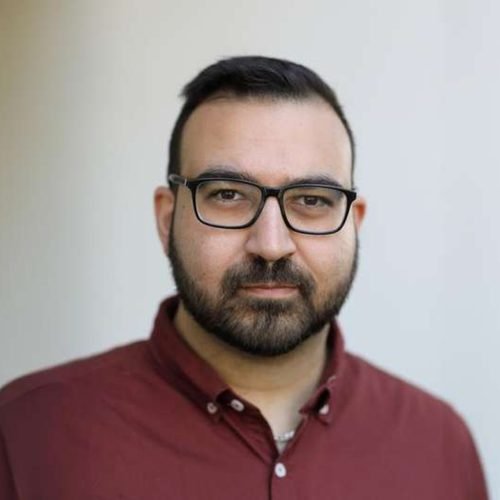
Saba Sinai is a Lecturer in Agriculture at CQUniversity, based at the Emerald campus. He coordinates and teaches across a number of Bachelor of Agriculture units covering animal health and welfare, parasitology, social licence to operate, agricultural development, agricultural extension and sustainability. His research interests sit at the intersection of agriculture and society, including food security, animal and human health, disaster resilience in agriculture, international agricultural development, animal parasitology, and the role of agriculture in foreign policy, peace and security.
Saba is also a fellow at the Australian Strategic Policy Institute's Northern Australia Strategic Policy Centre, where he examines the role of agriculture in advancing prosperity and security across northern Australia and the region's contribution to fostering a more secure world. He holds a Bachelor of Biomedical Science (Honours I) from the University of Queensland and a Master of International Public Health from the University of Sydney.
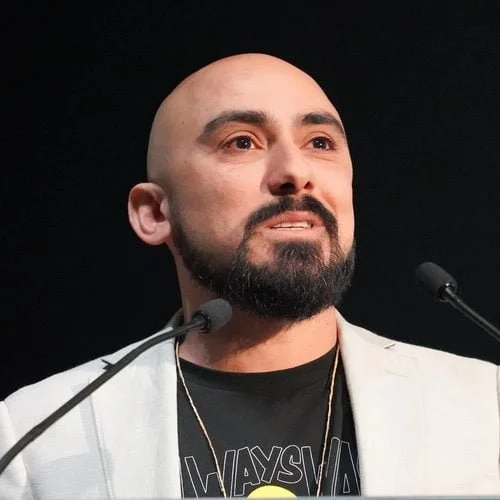
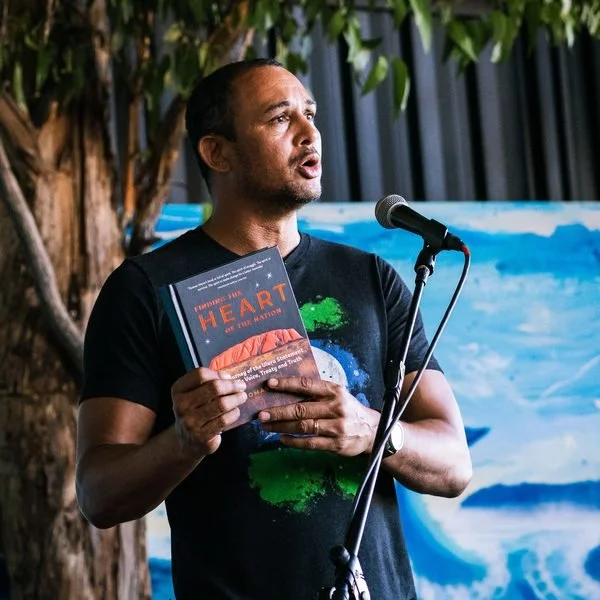
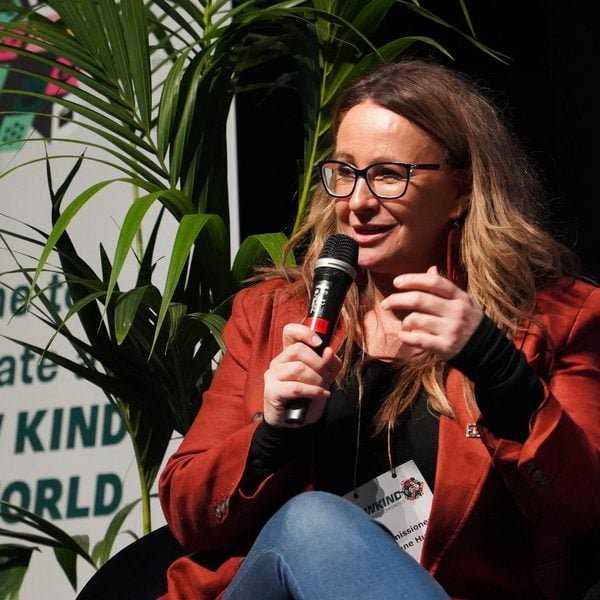
Erfan Daliri is an author, poet and social change consultant with 25 years' experience in community development, youth engagement, multicultural affairs and social cohesion. He is the founder of Newkind Social Change Conference and the CEO of Kind Enterprises, a company he founded with the purpose of designing and implementing programs and initiatives for positive social impact in the workplace and the community. He writes and speaks on the themes of social cohesion, economic justice, race unity, gender equity and systems thinking for social change.
As a youth worker, professional development trainer, anti-racism strategist, performing artist and festival director, Erfan continues to find new ways to move the dial forward, inspire and support changemakers, and create safe and equitable spaces for community, creativity, compassion and cohesion. He holds a Master's Degree in Communication for Social Change, has published three books, serves on the Board of the Centre for Social Equity, and is one of Australia's most sought-after speakers on race equity and anti-racism.
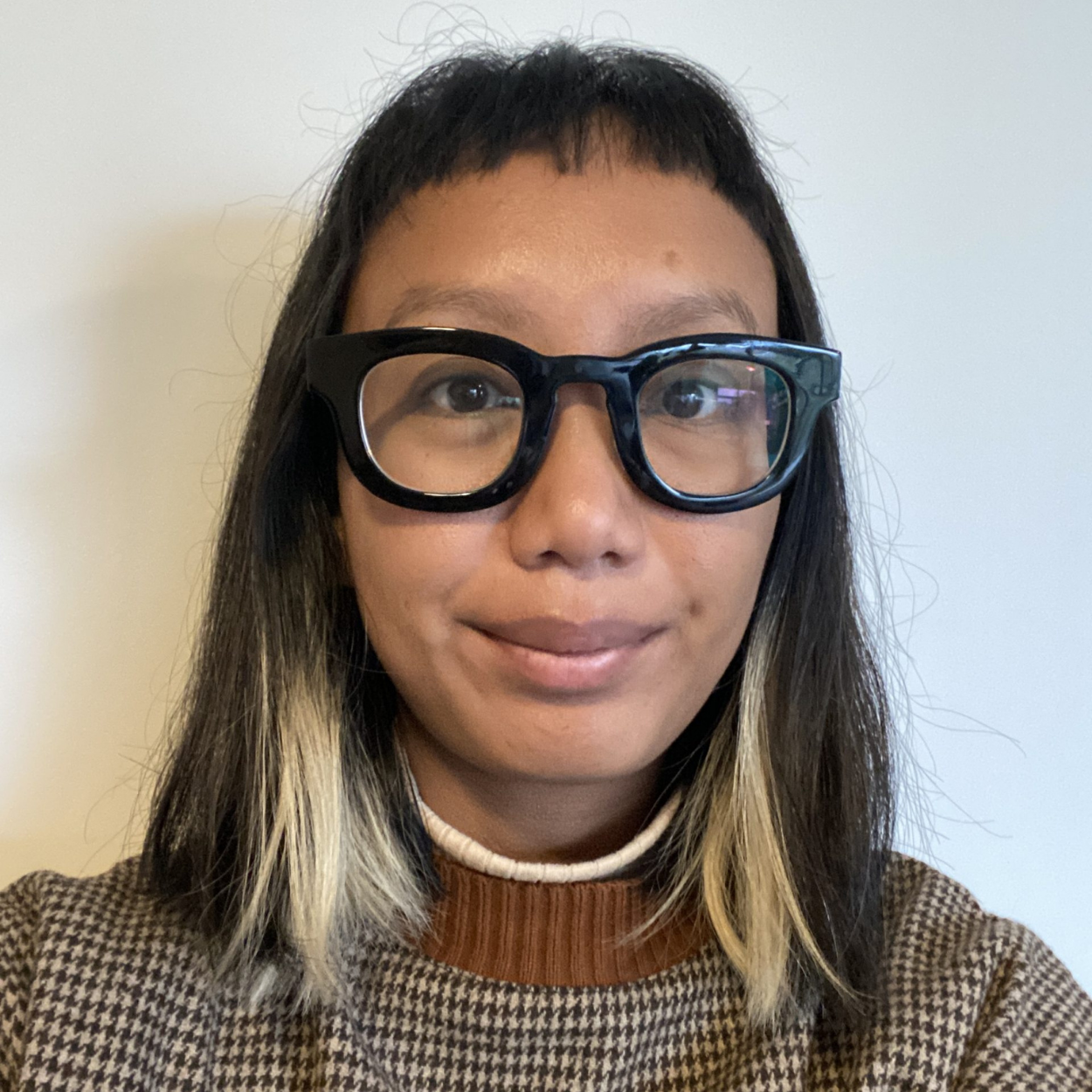
Zoi Jahau (they/them) is a Melbourne-based Diversity, Equity and Inclusion consultant with extensive experience across the not-for-profit and community sectors, including disability, mental health, and the arts. They hold leadership roles including Co-Chair of Women with Disabilities Victoria and Treasurer of Melbourne Queer TTRPGs Community, and bring a rare combination of governance expertise, intersectional lived experience, and facilitation skill to their practice. Zoi's practice centres ethics, power, and inclusion, helping organisations navigate the gap between stated values and actual practice.
They are an experienced facilitator and trainer, delivering DEI workshops and training to organisations and leadership teams across a range of topics including anti-racism, where they have developed confidence and skill in handling sensitive material with care, rigour, and impact. They approach DEI not as compliance but as a genuine project of building communities worth belonging to. As someone with a learning disability, Zoi has found that combining their passion for gaming with their facilitation and training experience creates a more accessible and engaging learning environment, making difficult topics less heavy and more human for everyone in the room.
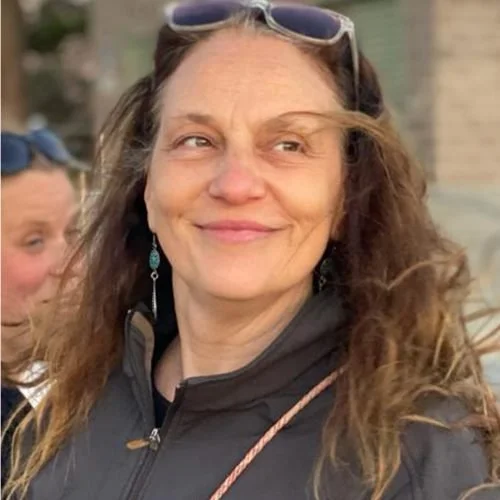
Laura Marini is a green architect specialising in bio-ecological architecture, in love with earth building. After her Master's degree in Architecture in Venice, she continued her studies in Bioecological Architecture, and her passion for travel took her often to India, where she studied Compressed Stabilised Earth Blocks, arches, vaults, and domes at the Earth Institute in Auroville.
In 2010 she joined a project for an artists' village in Brazil, leading her first earthen plaster workshop in Bahia. Many more workshops were run in Italy, where Laura ran her own sustainable design practice. After moving to Melbourne in 2017, she discovered Earthship design and explored bushfire resilience, joined the City of Port Phillip Environmental Leadership Program in 2019, and led her first Australian earth-building workshop at ESNLC Elwood. She is especially passionate about community projects, seeing earth building as healthy, ecological, therapeutic, and joyful.
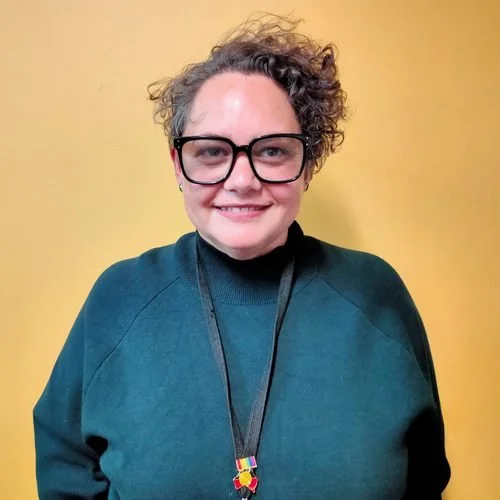
Lana Powell Woolf is a social inclusion practitioner working across climate crisis, disaster risk reduction, and international development contexts. Over more than twenty-five years, her work has focused on supporting community-led responses while navigating the realities of institutional power, funding constraints, and externally driven agendas.
Across climate adaptation, humanitarian response, and development programs, she has repeatedly encountered a gap between stated commitments to inclusion, participation and justice and what is possible or permitted in practice. Working inside these tensions has shaped her understanding of power as something embedded in everyday processes, not just policy or ideology. In response she developed Power to Praxis, a set of collective reflection tools designed to help practitioners and community spaces examine how power operates in real decision-making moments and to translate values into concrete action.
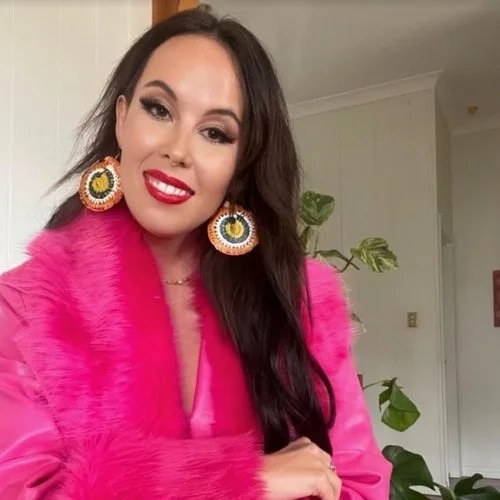
Ann-Maree (AM) Long is a proud Badjala, Woppaburra and Torres Strait Islander woman, and Head of Community Engagement at EPIC Pathways, with a strong focus on further empowering Aboriginal and Torres Strait Islander youth through education, advocacy, and cultural connection. She is Co-Founder of Sandpoppy Weaving and has worked across local and global programs supporting students, STEM participation, and community engagement.
AM is a proud Board Member for Ember Connect and Our Race, and volunteers with the Pyjama Foundation. Through her work, she creates space for cultural practice, lived experience and shared learning, treating weaving and education alike as pathways to mindfulness, healing, and community.
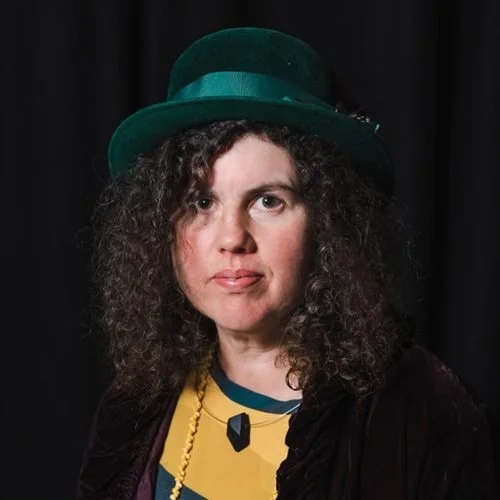
Forest Keegel is an artist whose practice and process is intertwined with Country, ecosystems and the bush. She has been working sculpturally and spatially since 1992, creating artworks that evoke a sense of the landscape of Victoria prior to colonisation and the gold rush, and connecting people with other species through acts of reparation and caring for Country, planting endemic plants, walking, and socially engaged sculpture.
Forest lives and works on Taungurung and Wurundjeri Woi-wurrung Country and listens deeply to the stories of the Traditional Owners who continue to share their rich cultural heritage with a generosity which astounds her. As a settler she can trace her roots back to her Sri Lankan father and other boat arrivals in the 1860s. She has worked with Elder and Master Weaver Aunty Marilyne Nicholls since 2017, is a founding member of Overlapping Collective, and has been collaboratively creating Orchestra of Extinction with Amanda King through annual field trips in threatened species habitat since 2016.
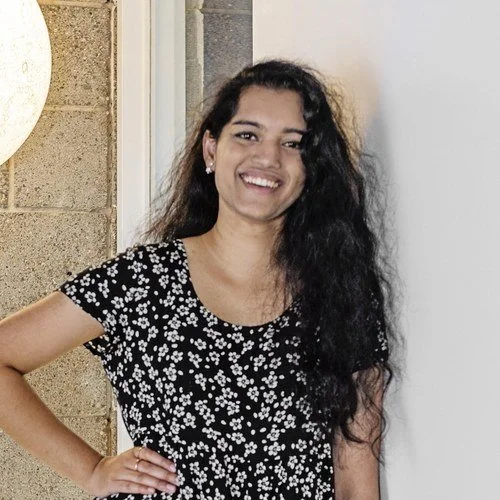
Ishara Sahama is a Human Geographer focused on systemic change through social and gender justice advocacy, community organising, systems evaluation and storytelling. Their work and passions range across experience design, facilitation and organisational and systems change that incorporates lived and intersectional experiences across consulting, community organising and education spaces.
Currently, Ishara works at the University of Queensland as the Principal Coordinator of the Neurodivergent Hub, dedicated to equitable co-design of support services for those who are neurodivergent, twice exceptional, and come from varying life experiences that influence their equitable participation in society.
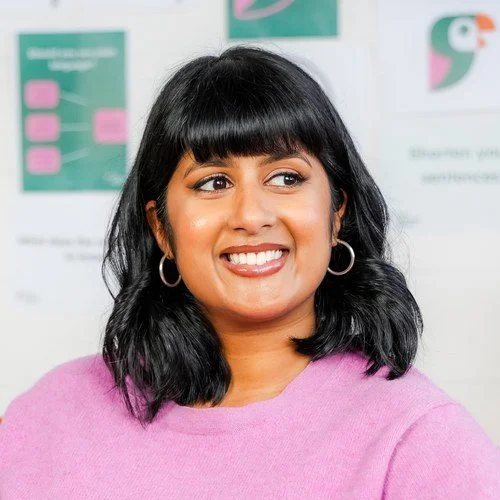
Jess Mathew is co-founder of Plain Language Matters, a Melbourne-based consultancy specialising in clear, accessible communication. She has extensive experience as a communications adviser, helping organisations translate complex policy and organisational language into clear, practical information that people can understand and use. She is particularly interested in access for multicultural communities, as a proud second-generation Australian.
Her past experience includes work for the Victorian Equal Opportunity and Human Rights Commission, Victorian Multicultural Commission and the Asylum Seeker Resource Centre.
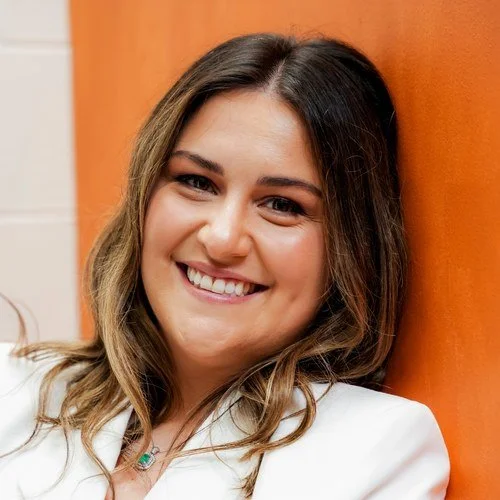
Jamila Savoy is co-founder of Plain Language Matters, a Melbourne-based consultancy specialising in clear, accessible communication. She works with government, education and community organisations to improve how they communicate complex information. Jamila’s work focuses on the intersection of plain language, accessibility and equity.
She is the Australian Ambassador for Plain Language Association International (PLAIN), contributing to a global movement promoting clear communication across languages and contexts.
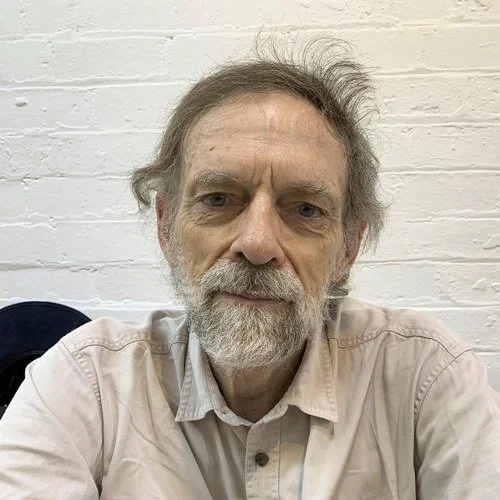
John Harland is an educator and writer, a father and grandfather. He grew up in suburban Melbourne and worked across city and country before studying agricultural science and education. His work since has spanned schoolteaching, university lecturing, TAFE instruction, adult community education and public education campaigns, including helping establish a bicycle recycling venture where people learned to build their own bikes.
John builds custom bicycles, upcycles damaged guitars, shoes and clothing from salvaged materials, and has been joyfully exploring his own neurodivergence and its vital place in how communities think together. You'll also find him on the Repair Café team at this festival.
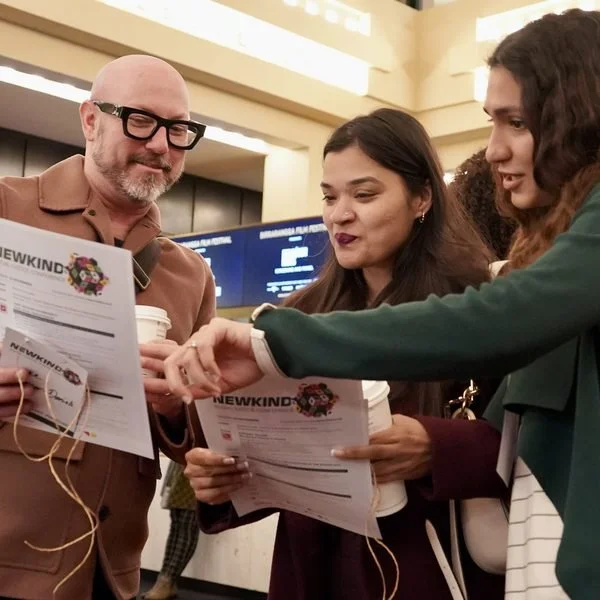
Spaces that
hold us.
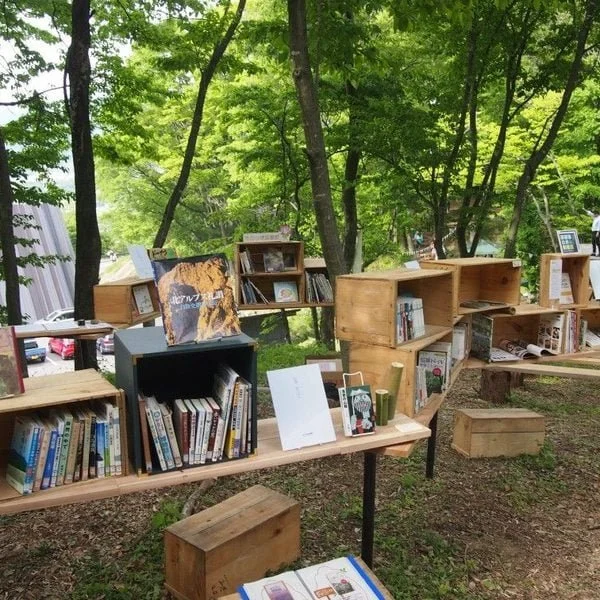
A quiet corner to slow down. Browse a vast collection of donated and salvaged books, zines, and resources brought together by the Newkind community. Read something, leave something, or simply sit for a while and enjoy the Persian rugs, the fresh air and the smell of old books. The outdoor library space is a good place to decompress between sessions, take a notebook for some quiet time or to follow a thread of thought somewhere unexpected. We ask that the space be reserved to quiet reading and reflection and for conversation to be reserved for all other spaces in the event. This is for everyone's benefit, but especially for those of us who may be familiar with sensory overload and just need a safe quiet space.
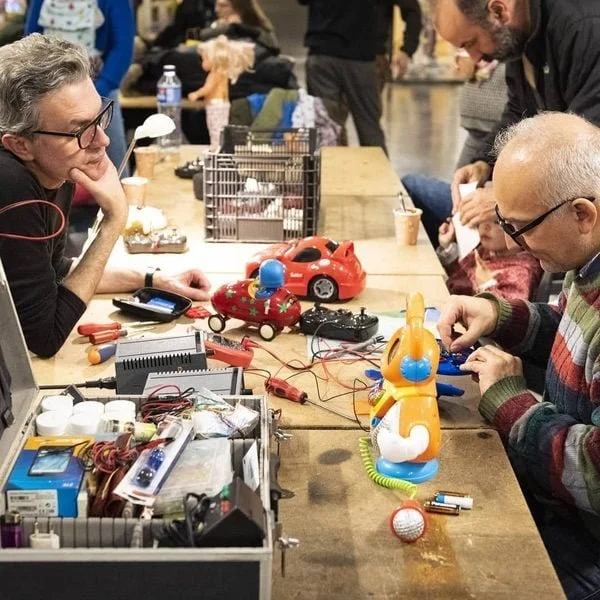
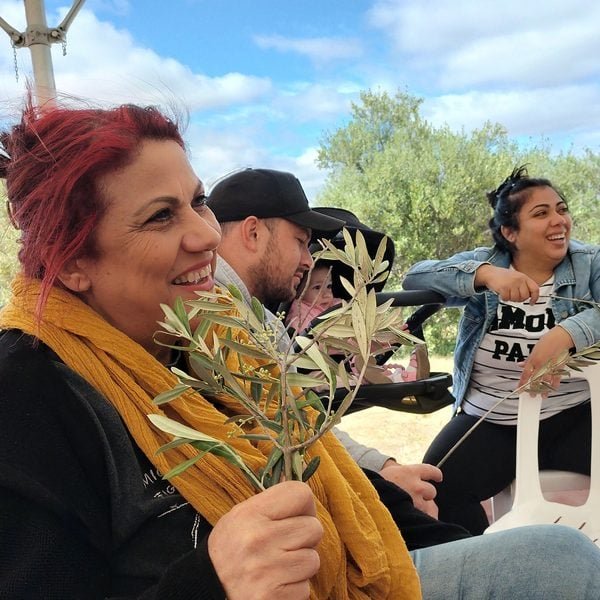
Repair isn't just a practical act, it's a philosophy. And at the heart of the Newkind philosophy is the repair space is where those ideas become tangible. Bring along anything you want that needs some love: a bicycle, torn clothing, appliances, blunt tools, or items that need reassembling. Or just come along and learn from others how to slow down and rediscover the quiet satisfaction of making something whole again. Last year, chopsticks were whittled from foraged olive wood, trousers were mended in impromptu workshops, and a beloved toy whale was stitched back together with parental care. That's the spirit we're carrying forward. It's time to commit to repair ourselves, our stuff, our relationships and our world. Drop by anytime for a chat with the team and learn to fix, learn, and connect.
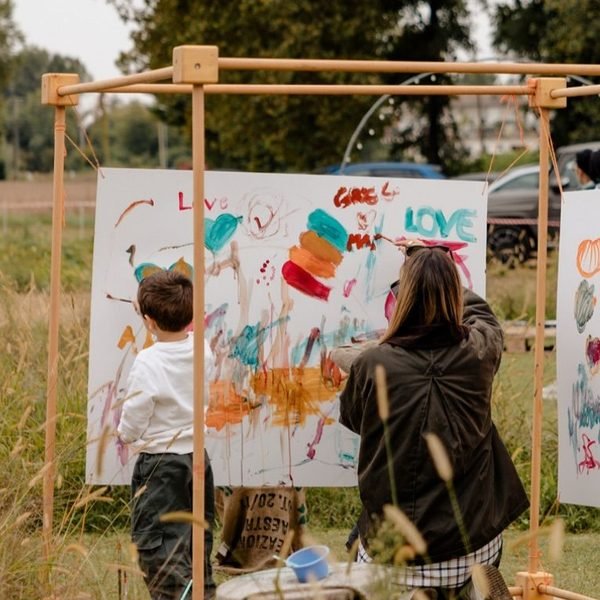
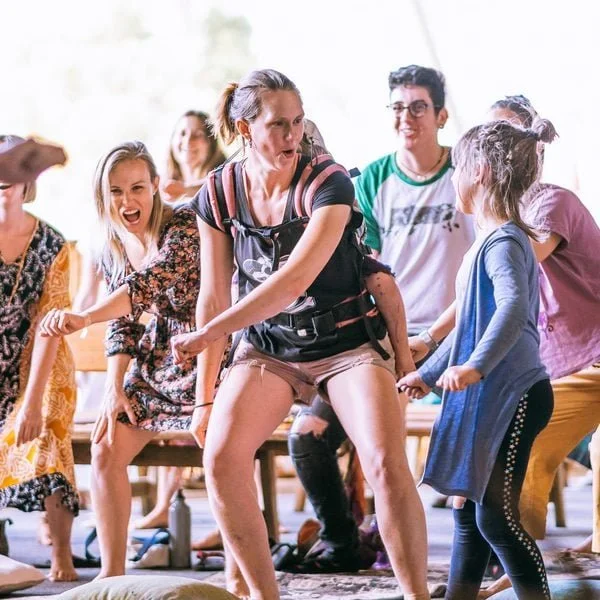
The children are as much a part of this community as anyone else. Newkind is a very intentionally family-friendly, drug and alcohol-free space where children of all ages are genuinely welcome and invited to participate in their own ways. A dedicated kids space offers a place to play, create, and belong, with children's sessions each day weaving together fun, learning, and creativity. Check the schedule closer to the event for details on the kids programming.
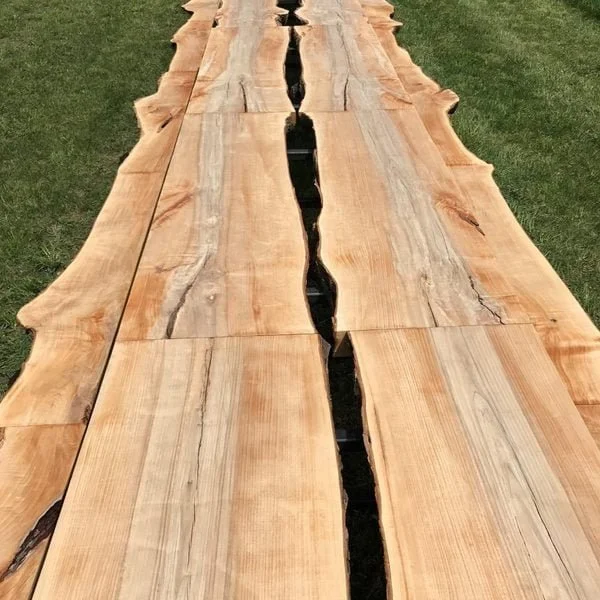
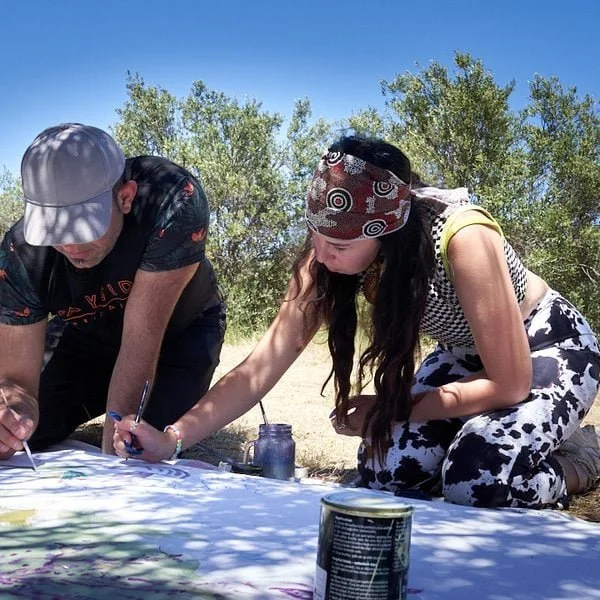
Seats at the Table is a participatory art installation exploring voice, power and representation. Across the festival, attendees transform reclaimed wooden chairs into reflections of those missing from decision-making spaces, creating a collective, evolving artwork that invites deep reflection on who is included, who is excluded, and what true belonging requires.
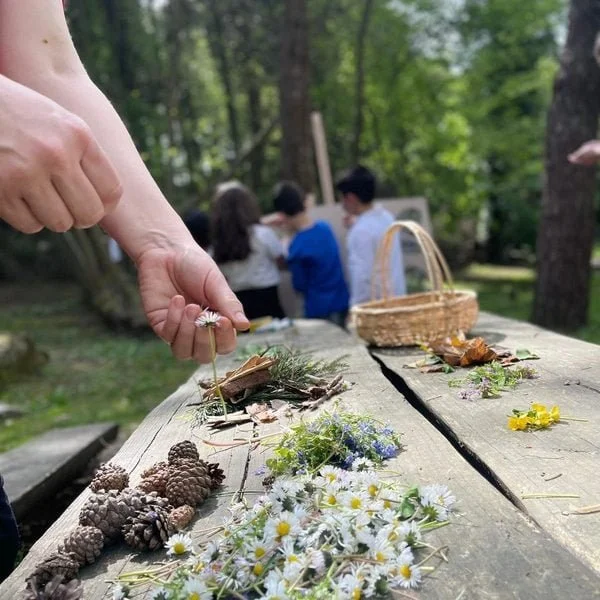
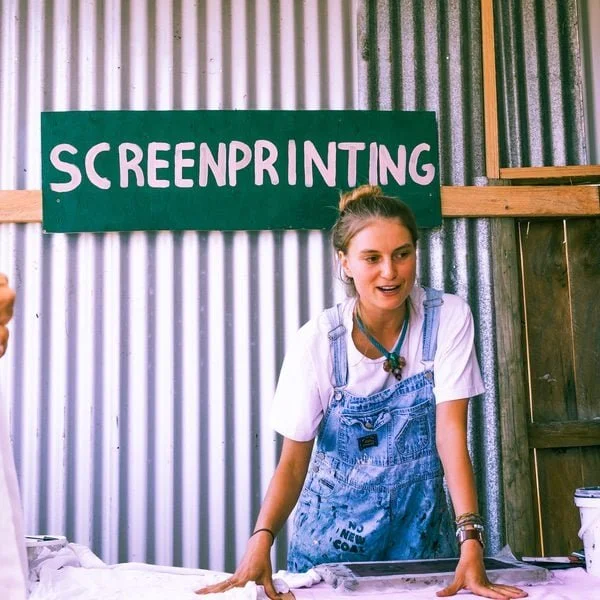
There is something quietly radical about picking up a fallen twig or leaf and considering it deeply. Kind Gleaning is a thought and practice-based experiment in reciprocity hosted by Forest Keegel - a gentle invitation to notice the littoral layer beneath your feet, connect with Country through your senses, and participate in the slow, nourishing cycle of decomposition and renewal. At Newkind, we're bringing this practice to life in a drop-in creative space where you can work with foraged twigs, bark, buds, leaves and string to make simple sculptures and artistic creations. No experience needed, just curiosity and a willingness to slow down, look closely, and make something by hand. It's rest, repair, and redesign all at once: tending to the world in miniature, one small bundle at a time.
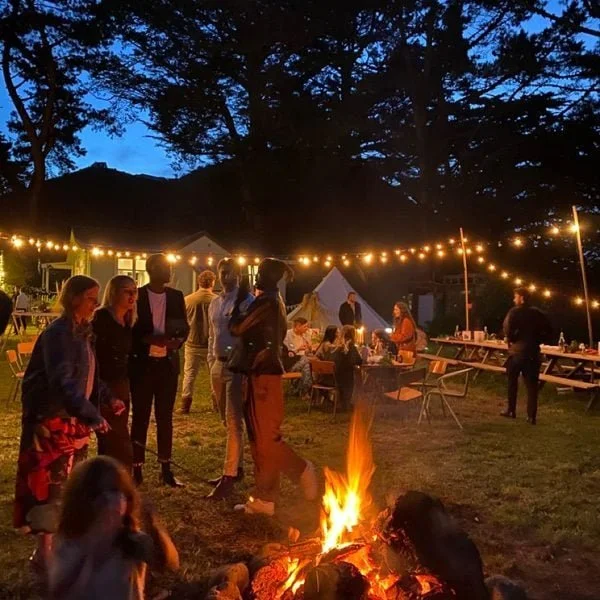
Some of the best conversations happen when there's nowhere else to be. Late at night, or the early hours of the morning, the Newkind campfire will be going, and you are welcome to pull up a seat or grab a spot on a log, tend the fire, stare into nothing, listen to some spoken word or see who's around for a D&M. No agenda, no facilitation, just the kind of unhurried talk that a good fire seems to invite.
Event
principles.
Four commitments that shape how the conference runs, from the food on your plate to the power that lights the stage.
Newkind has been a zero-waste event since 2016, and we mean it practically, not just in principle. We aim to minimise waste to landfill by avoiding single-use packaging, separating organic waste from recyclables, and designing every part of the event with this in mind. Meals are fully catered and buffet-style, so bring your own plate, bowl, cutlery, mug and water bottle. Refillable water, tea and coffee stations are available throughout. Everything else, from our composting bins to our washing bays, is designed to leave as little trace as possible, because in nature, there is no waste.
All meals and drinks at Newkind are included in your ticket and are 100% plant-based. Our menu is curated by Head Chef Arianne Schreiber, who works closely with local farmers and suppliers to create fresh, nutritious meals that are as good for the planet as they are nourishing to you. Breakfast, lunch and dinner are fully catered, buffet-style and unlimited. We eat this way because animal agriculture is a leading cause of greenhouse gas emissions, deforestation and freshwater use, and a plant-based diet is one of the most immediate and impactful ways to respond to our ecological crises.
We push the boundaries of sustainable event design by running Newkind entirely on renewable energy. We have our own solar panels, inverters and battery banks that generate electricity for all lighting, audiovisual equipment and the charging of electronic devices throughout the conference. We even use biogas for cooking meals. We believe in standing by our principles and avoiding generators and fossil fuels because alternatives exist and events can and should do more to minimise their footprint.
As a family friendly event, we have a zero alcohol and no drugs policy. We are firm on this because we want Newkind to be as safe as possible for everyone, and a space where we can clear our thoughts and be fully present in ourselves. This is an intentional rule not because we have any judgement on the use of drugs or alcohol, but simply because this is our way of creating an experience that is as safe and carefree as possible so we can go deep in the topics we're discussing and for the discussions and memories to be bright, honest and vivid.
Beyond the
Event.
If you would like to continue any of the conversations and social change ideas after Newkind, you can connect with Erfan and the rest of the Kind Enterprises team for a chat or discovery meeting anytime. Anything from anti-racism strategy and training for an organisation, to communication for social change, sustainability and regenerative projects, movement building discussions, or collaboration opportunities, Kind Enterprises can support or advise on a range of social justice related issues.
If the themes covered at Newkind are relevant to your field of work or employment, you can book a Professional Development ticket which includes post conference debrief meetings, professional development training and Q&A with 5 of the key speakers of the conference. If you need an event brief that outlines key outcomes to support your request for your employer to cover the cost of the conference registration please contact Sophie Appleton.
The Centre for Social Equity is a charity launched by the Newkind team with the mission of continuing the life work of Dr Farvardin Daliri OAM in social justice, social cohesion and unity in diversity, and the first project of the charity is to help establish a community farm on the Newkind site to support local food security and build community resilience and collectivism. If you'd like to know more, or support this project please send an email to the board on the email below.
If you have ideas on how we can most effectively maintain communication and keep in touch with each other after the event, then we'd like to know. With the intention of avoiding some of the generic social media options and trying to avoid too much online contact, how else can we stay connected between conferences and maintain our hopes and our momentum? If you have ideas please let us know before we get to the conference so we can plan for it or discuss it at the conference.
Beyond the
main program.
Newkind is more than its talks. These features run alongside the program — drop in whenever you want.
Every evening from sunset onwards near the dining hall. Drop-in conversations, song, and silence. Bring a blanket, an instrument or a poem. There will often be late night snacks provided around the fire for those feeling peckish.
Most mornings from 7:00am. Group walks every day to get you energised and ready for the day ahead. The walks will build in intensity across the days as the group feels, and the final day will be a soft reflective walk again.
With the entire event run on solar power, it's easy enough to find a quiet spot, but the reading room is also a designated quiet space. Open all day, every day. No talking, rugs and cushions, plenty of books to peruse. The introvert's sanctuary.
Enjoy the old and the new art installations across the site, by Dr Farvardin Daliri, and Francine Sculli and be sure to tag us in your selfies and group photos when you're posting online.
Daily between 9am–1pm. There will be storytelling, art, nature play, and music. Free to all conference families. Sign up at welcome desk.
Camping is free with your ticket. BYO tent or hire on site (book ahead). Bring your campervan if you like. Hot showers, toilets, water stations.
On the ground
at Kinglake.
Where things
happen.
Things you
might be wondering.
- Tent & bedding
- Crockery (plate, bowl, cutlery, mug)
- Water bottle
- Torch
- Warm layers for the evening and overnight
- Towel and toiletries
- Powerbank for your phone & other electronics
- Notebook and pen
- And all your positive energy
If you have any further questions please feel free to email us at info@kindenterprises.co
Made Possible By You.
Newkind 2026 is held together by the financial contributions of Kind Enterprises, and you our ticket holders; that's it. If you'd like to support the event then either support the work of Kind Enterprises, or spread the word to your friends, family, neighbour or employers about the event and encourage them to attend.